Our Company


What Is a Drug Facility and What Does It Do?

A Drug Facility is a purpose-built site where medicines are developed, produced, tested, packaged, or stored under controlled conditions. Its exact role varies. Some facilities make finished medicines; others focus on quality testing or secure storage. In every case, the work depends on trained staff, clear procedures, and careful records.

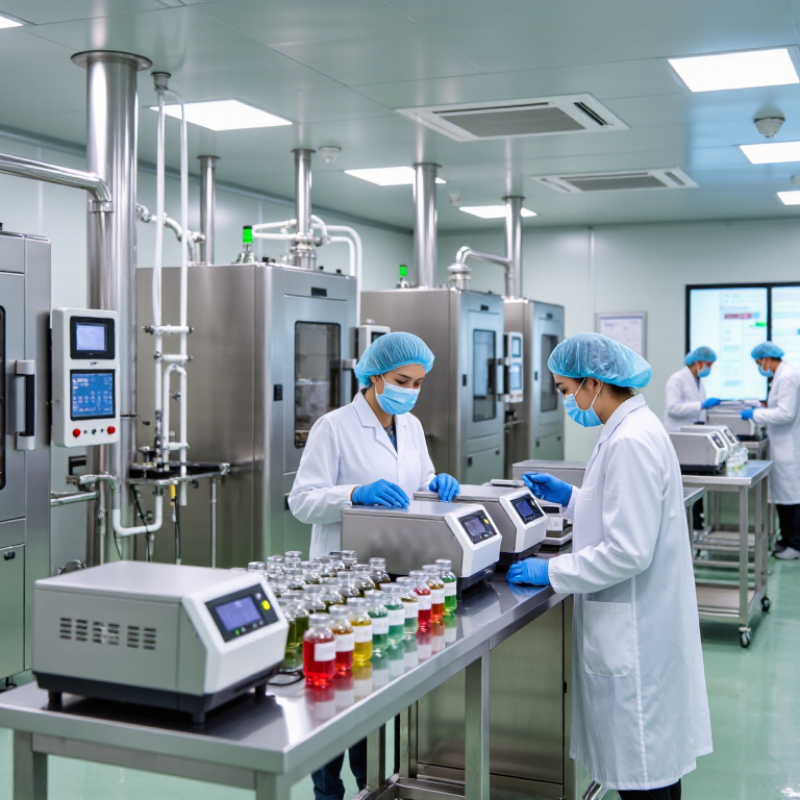
A clean production room offers a useful picture: labeled containers, calibrated instruments, and workers checking each step. The goal is consistent medicine quality, not simply high output. Pharmaceutical quality-management expert Joseph M. Juran is often quoted as saying, “Quality does not happen by accident; it must be planned.” That idea fits a Drug Facility, where planning supports reliable processes, traceable materials, and timely checks. Details matter.

This introduction will explain what these facilities do, how their main areas work, and why quality systems matter. It will also distinguish manufacturing from testing, packaging, and storage, which are related but different tasks. A facility’s procedures and equipment can provide strong safeguards, but they do not make human judgment unnecessary. No process is flawless. A polished diagram cannot show every rushed handoff or unclear instruction on a busy shift. That limitation deserves attention, not a gloss. Understanding both the design and the daily work offers a more practical view of how a Drug Facility supports safe, dependable medicines.
What Is a Drug Facility and What Does It Do?

Definition and Main Types of Drug Facilities

A drug facility is a site where medicines are researched, prepared, tested, stored, or supplied for patient care. Its exact role depends on its equipment, trained staff, and quality controls. Some are small. A hospital pharmacy may store temperature-sensitive medicines in monitored refrigerators, while a research facility may examine how a formulation dissolves. These places have different daily tasks, but each needs clear records and careful handling.

Research and development facilities study ingredients, dosage forms, and product stability. Manufacturing facilities produce medicines in controlled areas, where staff monitor equipment, cleanliness, and batch records. Testing laboratories check samples for identity, strength, purity, and consistency before release. Distribution and storage facilities protect finished products from heat, moisture, or damage during handling. Compounding pharmacies prepare tailored medicines for individual patients when a suitable standard product is not available. The categories can overlap; real facilities do not always fit one neat box.

A drug facility also supports safety after production. Staff may track inventory, investigate quality concerns, and maintain procedures for recalls or returned products. Good practice is visible in practical details: labeled shelves, calibrated instruments, restricted work areas, and documented temperature checks. Still, a tidy room alone proves little. Reliable operations depend on trained people following procedures and correcting mistakes. The work can be repetitive, and small lapses deserve attention.

The Facility’s Role in the Pharmaceutical Supply Chain

What Is a Drug Facility and What Does It Do?

The Facility’s Role in the Pharmaceutical Supply Chain

A drug facility is a controlled site that handles medicines as they move from production toward healthcare providers. Depending on its function, it may manufacture, test, store, package, or distribute pharmaceutical products. Each step depends on accurate records and careful handling. A temperature-sensitive shipment, for example, may need monitored storage and documented checks throughout transit. These controls help preserve product quality and make problems easier to trace.

Facilities connect manufacturers, transport providers, pharmacies, hospitals, and other authorized recipients. Staff may inspect incoming goods, verify shipment details, manage inventory, and prepare orders for dispatch. Clear procedures reduce mix-ups, while equipment checks and staff training support consistent work. Records also help teams identify where a shipment has been and how it was handled. Small errors can travel. Even a well-designed process can fail if people overlook a handoff or enter incorrect information, so routine review matters.

Tips: When assessing a facility, look for documented handling procedures, monitored storage conditions, trained staff, and traceable inventory records. Ask how exceptions are reported and corrected. A polished warehouse is not enough; reliable practices matter more. These details offer a practical view of how the facility supports the supply chain without assuming every site performs the same role.

How Medicines Are Developed, Produced, and Stored

A drug facility is a controlled environment where medicines move from development through production and storage. Different rooms support different tasks, from laboratory testing to filling and packaging. Air pressure, temperature, humidity, and cleanliness are monitored because small changes can affect product quality. Small details matter.

During development, scientists study a medicine’s ingredients, stability, and behavior under defined conditions. They test samples and document results before production methods are scaled up. A formula that works in a small laboratory batch may behave differently in larger equipment. Real processes are less tidy than flowcharts; teams investigate unexpected results and adjust procedures carefully.

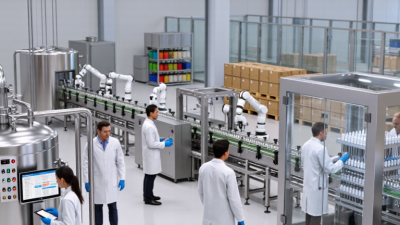
In production areas, trained staff and automated systems measure ingredients, mix batches, and fill containers. Equipment is cleaned and checked between tasks to reduce contamination risks. Each batch is tested against quality specifications before it can move forward. Finished medicines are stored under suitable conditions, sometimes in monitored cold rooms. Cold rooms are monitored. Temperature records help staff identify problems, though a log alone cannot explain every fluctuation. Packaging protects products during handling and helps preserve their quality until they reach patients.

What Is a Drug Facility and What Does It Do? - How Medicines Are Developed, Produced, and Stored

Facility Area or Stage What Happens There Typical Controls and Equipment Outputs and Records
Research and formulation development Scientists study potential drug substances and develop formulations, such as tablets, capsules, liquids, or injections. Laboratory procedures, analytical instruments, controlled work areas, and documented experiments. Formulation candidates, laboratory results, and development reports.
Process development and scale-up Teams adapt laboratory methods for larger batches and assess whether the process can be performed consistently. Small-scale and pilot equipment, process measurements, and documented equipment settings. Manufacturing instructions, process data, and scale-up assessments.
Raw-material receiving and storage Incoming ingredients and packaging materials are identified, checked, and stored until they are approved for use. Supplier and material checks, status labeling, inventory controls, and storage conditions appropriate to each material. Receiving records, test results, and traceable inventory records.
Production Approved ingredients are processed into a medicine using the product-specific manufacturing method. Qualified equipment, trained personnel, batch instructions, cleaning procedures, and controlled production areas. In-process samples, completed batch records, and product awaiting quality review.
Quality control laboratory Samples of materials and finished products are tested against established specifications. Validated or qualified test methods, calibrated instruments, reference materials, and controlled sample handling. Test results and records used to support quality decisions.
Packaging and labeling Medicines are placed in suitable containers and labeled with required product and handling information. Packaging-line checks, label reconciliation, component verification, and controls to prevent mix-ups. Packaged units, packaging records, and traceability information.
Quality assurance and batch release Quality personnel review manufacturing, testing, and packaging records before a batch is released for distribution. Document review, deviation and change-control systems, and procedures for investigating quality issues. Release decision and a complete, reviewable batch history.
Finished-product storage and distribution Released medicines are stored and shipped under conditions designed to maintain their quality through the supply chain. Product-specific temperature and humidity controls, monitoring devices where required, stock rotation, and shipping records. Inventory and shipment records, temperature records where applicable, and distribution traceability.

A drug facility may handle only some of these activities. Applicable controls, testing, and storage conditions depend on the medicine, its approved requirements, and relevant regulations.

Quality Control and Safety Procedures

A drug facility depends on repeatable controls, not just clean rooms and modern equipment. Quality checks begin with incoming materials, which staff inspect, identify, and record before use. During production, technicians monitor measures such as temperature, pressure, and mixing time. Calibrated instruments help make those readings dependable. They also take samples at planned stages and compare results with written specifications.

Clean, orderly work areas matter. Staff follow gowning procedures, wash their hands, and use dedicated tools where needed to reduce mix-ups and contamination. Air filters and room conditions are checked, while cleaning records show when surfaces and equipment were treated. If a reading falls outside its limit, production may pause while trained personnel investigate and document the cause. Details matter.

Safety procedures protect both workers and the product. Clear labels, secure storage, protective clothing, and accessible handwashing stations support safer daily work. Staff practice responses to spills, equipment faults, and other incidents. No checklist catches everything; a rushed handoff can still leave important context unclear. Regular reviews and honest reporting help teams notice weak spots and improve procedures before small problems spread.

What Is a Drug Facility and What Does It Do?

Drug facilities manufacture, test, package, and store medicines under controlled conditions. Quality-control teams monitor storage temperatures to help protect product quality and safety.

Standard storage definitions shown for illustration: controlled room temperature is 20–25°C, with permitted excursions of 15–30°C; refrigerated storage is 2–8°C; and frozen storage is −25 to −10°C. Always follow the specific storage instructions on a medicine’s label.

Regulation and Oversight of Drug Facilities

Drug facilities are sites where medicines are developed, tested, manufactured, packaged, or stored. Their activities differ, but each facility must follow quality requirements set by relevant health authorities. Oversight helps ensure that products are made consistently and that records can be checked. Details matter.

Regulators may review a facility’s procedures, training records, equipment maintenance, and environmental controls. For example, staff might document room temperature readings and clean production equipment between tasks. Inspectors can examine these records and observe operations. If they find gaps, the facility may need to investigate, correct the problem, and show how it will prevent a repeat. Requirements vary by country and by the facility’s role, so one inspection does not tell the whole story. Oversight also has limits; paperwork can look complete while a process still needs improvement.

Tips: When evaluating a facility, look for clear procedures, dated records, trained staff, and documented follow-up on problems. Ask how temperature changes or equipment failures are handled. Small gaps add up. No system is flawless, and thoughtful review should leave room for questions.