What Is Vaccine Manufacturing and How Does It Work?
Vaccine Manufacturing turns scientific discoveries into carefully controlled products that can be supplied consistently. It is not simply a matter of mixing ingredients. Each vaccine follows a process shaped by its design, from growing cells or preparing other biological materials to purification, formulation, and filling sterile vials. Some vaccines use weakened or inactivated pathogens; others rely on specific proteins or genetic instructions. The production details differ.
As WHO Director-General Dr. Tedros Adhanom Ghebreyesus has said, “No one is safe until everyone is safe.” That reminder helps explain why dependable manufacturing capacity matters: a vaccine must be made at scale, tested, and delivered under appropriate storage conditions. Quality teams check each batch for identity, strength, purity, and sterility before release. A vial may look simple on a clinic shelf. Its journey is not.
This overview will examine the main production stages, the equipment and controls involved, and the checks that help protect consistency. It will also consider why timelines can vary and why scaling production brings practical challenges. For example, a change in a cell culture run or a filling line can require careful evaluation before production continues. The details are technical, but the purpose is clear: make reliable doses. Still, no short introduction can capture every vaccine platform or manufacturing decision. That limitation matters.

Antigen Design and Platform Selection: Live, Inactivated, Protein, or mRNA
Antigen design starts by identifying a target the immune system can recognize, then selecting a platform that can present it reliably. Live attenuated vaccines use weakened organisms and can prompt broad immune responses, but require careful control during production. Inactivated vaccines use killed organisms; manufacturers must confirm inactivation without damaging the antigen. Protein vaccines produce selected components, then purify them, often with an added adjuvant. mRNA vaccines deliver genetic instructions for cells to make the antigen. Their production involves sequence design and lipid-particle formulation. The details matter.
Platform choice affects more than the laboratory recipe. It shapes facility needs, quality tests, storage, and how quickly production can scale. The WHO’s Global Vaccine Market Report 2022 estimated that 16 billion vaccine doses were distributed worldwide in 2021, compared with 5.5 billion in 2019. That surge, driven largely by COVID-19 vaccines, illustrates the pressure manufacturing systems can face. It does not mean every platform scales equally well. A technically elegant design may still encounter bottlenecks in purification, specialized equipment, or cold storage. That neat comparison can mislead: no platform is best for every antigen, disease, or production setting. Manufacturers weigh immune response, safety evidence, process consistency, and practical supply constraints together.
Upstream Production: Scaling Cells, Eggs, or Microbial Cultures
Upstream production creates the biological material that later becomes a vaccine. Depending on the vaccine design, manufacturers may grow cells, fertilized eggs, or microorganisms in controlled vessels. The chosen platform shapes the process: eggs require careful handling, while cell cultures need stable nutrients, temperature, and oxygen. Microbial systems can grow quickly, but the target material still needs careful separation and testing. Small changes matter.
Scaling up is not simply using a bigger tank. Engineers monitor growth, contamination risks, and batch consistency as volumes increase. The World Health Organization’s 2022 Global Vaccine Market Report estimated that
16 billion vaccine doses
were supplied worldwide in 2021, worth about
US$141 billion.
That scale depends on reliable upstream processes, yet capacity alone cannot guarantee consistent output. A clean-looking scale-up plan can still stumble when cells behave differently in larger vessels; that limitation deserves more attention.
Tips: Track growth conditions and batch records from the earliest pilot runs. Compare results across scales, and investigate small shifts before they become costly production problems.
Purification and Formulation: Combining Antigens, Stabilizers, and Adjuvants
After antigen production, purification removes unwanted proteins, cell fragments, and residual process materials. The goal is not simply a clear liquid. Each step must preserve the antigen’s structure and immune-recognizing features. A small shift in temperature or pH can matter. Purification methods therefore depend on the vaccine’s design, and teams test intermediate material before formulation.
Formulation brings purified antigens together with suitable stabilizers and, when needed, adjuvants. Stabilizers help protect product quality during storage and transport; adjuvants can strengthen the immune response. The amounts and mixing conditions require careful control. WHO’s Good Manufacturing Practices for Biological Products (Technical Report Series No. 999, Annex 2) stresses controlled processes and documented quality checks. WHO’s Global Vaccine Market Report 2022 estimated that global vaccine supply reached about 16 billion doses in 2021, up from 5.8 billion in 2019. That scale makes consistency essential, not automatic.
In practice, manufacturers assess attributes such as antigen content, potency, sterility, and stability. Some formulations need cold storage, while others tolerate handling better; the specific product data determine the rules. Small differences can matter. A vial may look unchanged while its measured potency shifts, so appearance alone cannot verify quality. Formulation is often a compromise: improving stability or immune response can introduce new constraints, and no single recipe fits every antigen.
Quality Control and Lot Release: Testing Potency, Identity, Purity, and Sterility
During vaccine manufacturing, each finished lot is checked before it can be released. Quality teams test samples and review production records, equipment logs, and deviations. A vial may look clear, but appearance alone says little about its quality. Small differences matter.
Identity testing confirms that the intended vaccine components are present. Potency testing measures whether the vaccine produces the expected biological response in a controlled assay. These tests require careful procedures and trained analysts; results can vary slightly between runs. That variability is watched, not ignored. Purity checks look for unwanted materials, such as process-related residues or visible particles, using methods suited to the product.
Sterility testing checks for microbial contamination, often by incubating samples and monitoring them over time. It is not a quick visual check. Before lot release, specialists assess the test results alongside manufacturing records and investigate unexpected findings. A sample cannot represent every vial perfectly, which is one reason process controls and sampling plans matter so much. Even a well-designed system has limits. Teams must document those limits and respond when evidence raises questions, rather than treating a passing result as proof that nothing could ever go wrong.
Fill-Finish and Cold Chain: Many Routine Vaccines Are Stored at 2–8°C
What Is Vaccine Manufacturing and How Does It Work?
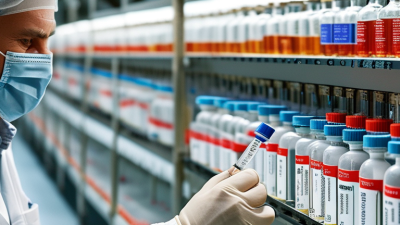
After a vaccine’s active ingredients are prepared, fill-finish turns the bulk product into usable doses. In a clean, controlled area, machines fill sterile vials or syringes, then seal and inspect them. Staff check fill levels, closures, and visible defects. Labels and packaging connect each batch to its storage instructions and tracking records. Small details matter.
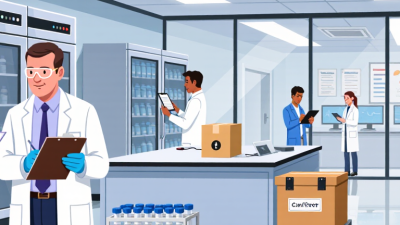
For many routine vaccines, the recommended storage range is 2–8°C. It is not a universal rule: requirements vary by product and formulation. Refrigerators need calibrated temperature monitors, and staff record readings regularly. During transport, insulated containers and temperature loggers help show whether doses stayed within range. A delivery may look perfectly ordinary while its data logger tells a different story.
Avoid freezing unless the product instructions specifically allow it. Freezing can damage some vaccines, while heat and light can also reduce potency. If a temperature excursion occurs, staff should quarantine the affected doses and seek product-specific guidance before using or discarding them. Guesswork is risky. In practice, maintaining the cold chain depends on training, reliable equipment, and careful handoffs—and those handoffs are not always flawless.