How to Use Malic Acid Powder in Your Recipes?
Malic Acid Powder is a versatile ingredient that can enhance various recipes. It is known for its refreshing tartness and is often used in both food and beverage applications. This natural compound is derived from apples and is safe for most people. When used properly, Malic Acid Powder can elevate flavors and improve texture in dishes. You can find it in many grocery stores and online.
Incorporating Malic Acid Powder into your cooking can be a rewarding experience. It works well in fruit salads, desserts, and sauces. The tartness can balance sweetness, making dishes more complex. However, using too much can overpower other flavors. It's essential to experiment and find the right balance.
Many chefs appreciate Malic Acid Powder as a tool to enhance their culinary creations. Its ability to preserve color and freshness is noteworthy. Still, it's crucial to note that every recipe will react differently. Therefore, adjustments may be necessary and some trial and error will be involved. With the right approach, Malic Acid Powder can become a staple in your kitchen.
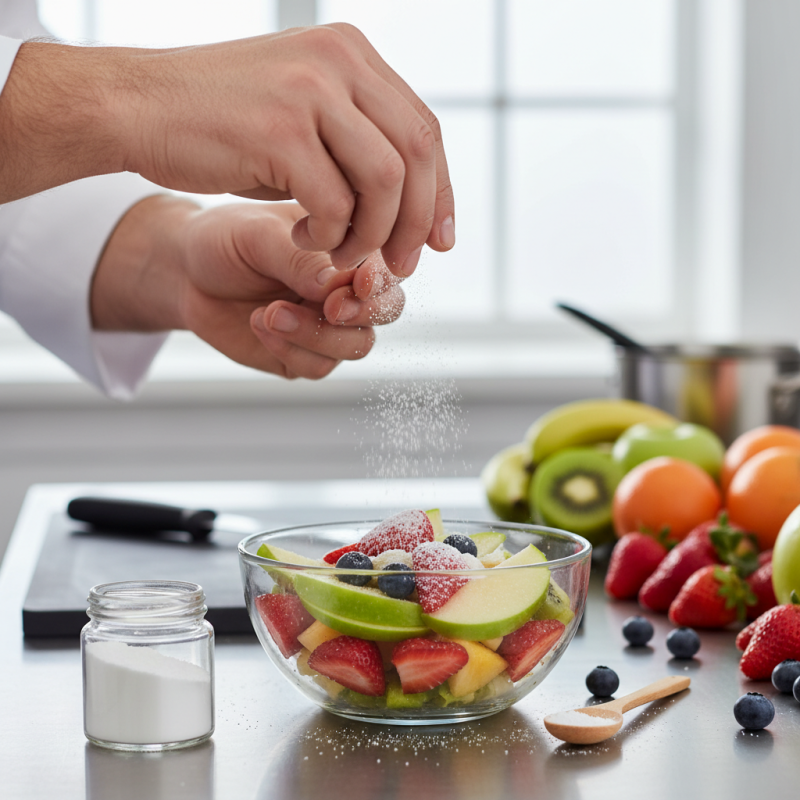
Overview of Malic Acid Powder and Its Culinary Uses
Malic acid powder is a versatile ingredient you can incorporate into various recipes. It’s naturally occurring in fruits like apples and pears. This powder adds a tart flavor that can enhance both sweet and savory dishes. You can sprinkle it into your smoothies for a refreshing taste. It can also be used in fruit preserves, giving them a vibrant zing.
In baking, malic acid can adjust the acidity levels. This adjustment can lead to better flavor balance, especially in baked goods. For example, adding a small amount to a pie crust can enrich the flavor profile. It makes the dish more complex without overpowering other ingredients. However, use it sparingly. Too much can lead to an overly acidic taste. Experimentation is key here, and sometimes less is more.
When cooking meats, a sprinkle of malic acid can brighten up flavors. It helps to tenderize the meat and adds a depth of taste. Yet, this ingredient might not be familiar to everyone. Some may find the flavor unexpected at first. It’s worth exploring, but it's essential to adjust to your and your guests' preferences. Balancing flavor is an art, and malic acid can be a helpful tool in your culinary toolkit.
Benefits of Adding Malic Acid Powder to Recipes
Malic acid powder is a versatile ingredient that can elevate your culinary creations. It adds a tart flavor to both sweet and savory dishes. Its unique acidity enhances the overall taste profile, making recipes more vibrant. You can use it in sauces, dressings, or baked goods. A small amount goes a long way, so start with a teaspoon and adjust accordingly.
In addition to flavor, malic acid powder offers health benefits. It aids in digestion by promoting the production of digestive enzymes. This helps your body absorb nutrients more efficiently. Some users report increased energy levels and better exercise performance. However, always check for sensitivity when using it, as some people may experience discomfort.
Incorporating malic acid powder challenges your cooking skills. It requires experimentation to find the right balance in recipes. Too much can overpower the dish, while too little may not have the desired effect. This trial-and-error aspect is part of the culinary journey, allowing you to develop a deeper understanding of flavors and ingredients.
How to Incorporate Malic Acid Powder in Baking
When incorporating malic acid powder into baking, precision matters. This ingredient enhances flavors, balances sweetness, and influences texture. A study published in the Journal of Food Science highlighted malic acid's role in modulating acidity, making baked goods taste fresher and more vibrant.
For baked goods like cakes and pastries, adding malic acid can improve moisture retention. Use about 1/4 teaspoon of malic acid per cup of flour. This small adjustment can lead to noticeable differences. The acid not only raises the flavor profile but also extends shelf life by reducing microbial growth.
Tips: To achieve optimal results, mix malic acid with dry ingredients. This ensures even distribution throughout the batter. Remember, malic acid can be potent; too much can lead to unintended tartness. Begin with smaller amounts to find the right balance for your recipes. Experimenting can yield unique flavors, but it requires careful measuring. Always taste as you go to strike the perfect harmony in your baked creations.
Using Malic Acid Powder in Beverage Recipes
Malic acid powder is gaining popularity in beverage recipes, thanks to its tart flavor and natural sourness. It naturally occurs in fruits like apples and grapes. According to the Food Chemistry Journal, malic acid plays a crucial role in enhancing flavors and balancing sweetness in drinks. Using it can elevate your beverage game significantly.
Add malic acid powder to sparkling water for a refreshing twist. Just a teaspoon can enhance the drink's acidity without overpowering its natural flavor. This method is popular among mixologists for creating balanced cocktails. A study published in the Journal of Food Science highlighted that malic acid can improve the sensory experience of beverages, making them more enjoyable to consumers.
Experimenting with malic acid may require adjustments. Overuse can lead to an excessively sour taste. It is essential to find the right balance for your palate. Additionally, it’s beneficial to note that not everyone enjoys the same flavor intensity. Personal taste varies widely across different individuals. Understanding this variability is key to crafting beverages that appeal to a broader audience.
Malic Acid Powder Usage in Beverage Recipes
Creative Dishes Featuring Malic Acid Powder
Malic acid powder is gaining traction in culinary circles due to its unique properties. This organic compound can enhance flavors and provide a tart kick to various dishes. It naturally occurs in fruits like apples and grapes. A study from the Journal of Food Science noted that malic acid can intensify the freshness of food, making it an excellent ingredient in dressings and marinades.
Creative uses for malic acid in the kitchen are diverse. It works well in fruit sorbets, contributing a balanced tartness that complements sweetness. Adding a pinch to roasted vegetables brightens their flavors. In baking, malic acid can enhance the rise of breads, leading to a lighter texture. The recommended concentration is often around 0.5% to 1% of the total weight of the ingredients, according to food formulation guidelines.
Some chefs experiment by incorporating malic acid into beverages. It can transform a simple lemonade into an exceptional drink. However, it’s crucial to monitor the amount used—going too high may result in an overly sour taste. Balance is key. A 2019 report by the Institute of Food Technologists highlighted that consumers seek novel flavors, making malic acid a perfect fit for adventurous cooking.