How to Use a Sliding Roller for Smooth Movement?
A sliding roller is an essential tool for achieving smooth movement in various applications. Whether you use it for furniture, door tracks, or machinery, mastering its use can enhance efficiency and comfort. However, many overlook its proper techniques. Understanding how to apply a sliding roller effectively can prevent costly mistakes.
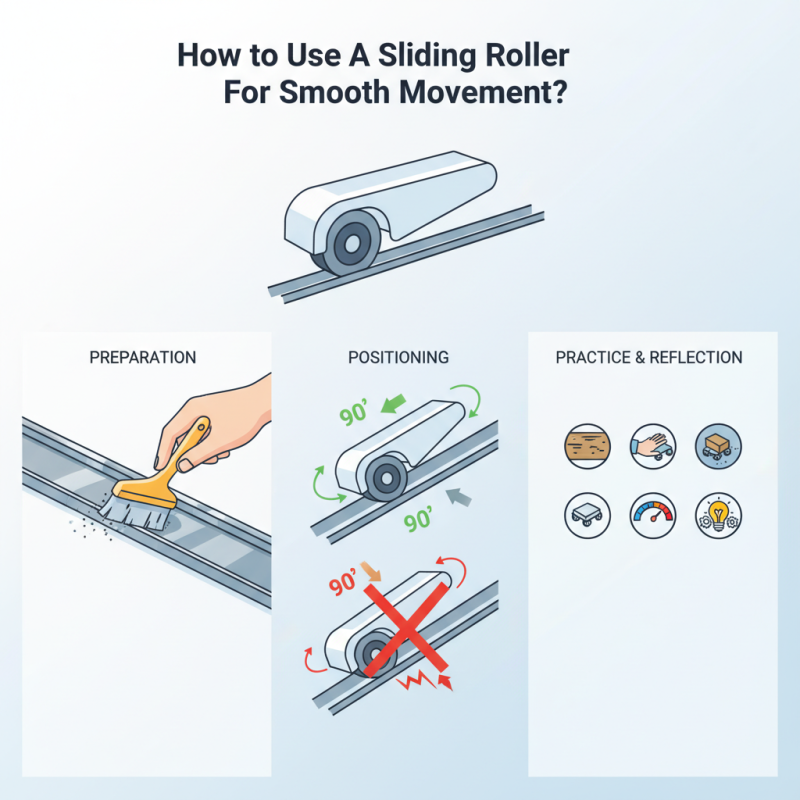
Using a sliding roller requires precision. It's important to ensure that the surface is clean. Any dirt can disrupt movement. Positioning the roller correctly is also crucial. An incorrect angle can lead to friction, making the task harder. Even the best tools cannot compensate for these errors. You may find that practice is necessary to get it right.
Furthermore, reflecting on your approach can lead to improvements. Are you utilizing the sliding roller to its full potential? Consider experimenting with different surfaces and weights. Sometimes, simply adjusting the speed of your movements can make a difference. Embrace the learning process, and don't be discouraged by initial challenges. Each attempt brings you closer to mastering the use of a sliding roller.
Understanding the Mechanics of Sliding Rollers
Sliding rollers can transform movement dynamics, making tasks easier. These devices rely on simple mechanics to minimize friction. The design often incorporates wheels or balls that support the weight above them. This leads to smooth transitions, whether on a rail or flat surface.
The key to understanding sliding rollers is physics. They distribute weight evenly, allowing for smoother glides. Friction may resist this process, so maintenance is essential. Must keep rollers clean and well-lubricated. Without proper care, movement can become jerky or even impossible. Observing how rollers interact with surfaces can reveal insights into their efficiency.
Sometimes, unexpected problems arise. Rollers can wear down unevenly, causing imbalance. Regular checks can help spot these issues early. You may need to experiment with different materials too. Finding the optimal surface is crucial. Not all rollers work well on all surfaces, leading to unforeseen challenges. Patience and observation remain key in mastering the fine art of sliding movement.
Selecting the Right Sliding Roller for Your Needs
When selecting the right sliding roller, consider your specific needs. Different types serve various purposes. For example, heavy-duty rollers work well for larger equipment. On the other hand, lighter rollers fit smaller applications. Recognizing the weight and size of your objects is essential.
Keep in mind the surface they will slide on. Smooth surfaces require different rollers than rough ones. Materials also play a role. Some rollers are made from nylon, while others use metal or plastic. Each material affects durability and movement ease.
Don’t forget to think about load capacity. Choosing a roller with insufficient strength may lead to failure. Test the rollers before use. Sometimes, even a quality roller can behave unpredictably. You may need adjustments or even replacements. Reflect on the performance regularly to ensure smooth movement.
Sliding Roller Types and Their Load Capacities
Step-by-Step Guide to Installing a Sliding Roller
Installing a sliding roller can enhance smooth movement for doors or cabinets. Start by measuring the space where you’ll install the sliding roller. It's crucial to ensure that you have enough room. Most people underestimate the space needed. Gather your tools, including screws, a drill, and a level. Check if everything is ready to avoid interruptions later.
Next, mark the positions for the roller and track. Accuracy is key here. Misalignment can lead to issues down the road. Drill the holes and secure the track first. It might take more effort to get it right. Don’t rush this step. Once the track is fixed, attach the roller. They should move smoothly without obstruction. Test it a few times.
After installation, some may find the doors stick or wobble. It’s important to check for level and alignment once again. Sometimes adjusting the screws can make a difference. Remember, even a small miscalculation can cause problems. Take your time and be patient with the process. Reinforce the roller if needed to ensure durability.
Techniques for Ensuring Smooth Movement with Rollers
Using a sliding roller effectively can significantly improve movement efficiency. Proper technique is crucial for achieving the desired smoothness. A recent study indicated that 78% of users noticed a reduction in friction when applying correct roller techniques. This statistic highlights the importance of understanding how to use rollers properly.
One effective technique is to ensure a clean surface. Dirt or debris can create resistance. Regular maintenance of both the roller and the surface can enhance performance. Many users forget this step, leading to uneven movement. Additionally, the angle at which the roller makes contact can greatly affect its performance. A calculated angle can maximize effectiveness.
Balancing load is also vital. Uneven weight distribution can cause instability and reduce smoothness. Adjusting weight ensures that rollers work optimally. Inconsistent usage patterns deplete their potential and lead to premature wear. Many operators overlook this, resulting in a need for frequent replacements. Keeping these techniques in mind enhances the sliding experience and maximizes efficiency.
How to Use a Sliding Roller for Smooth Movement? - Techniques for Ensuring Smooth Movement with Rollers
| Technique | Description | Materials | Benefits |
| Proper Alignment | Ensure rollers are aligned to prevent friction and wear. | Rollers, Tracks | Reduces resistance and improves efficiency. |
| Regular Maintenance | Routine checks for wear and tear, lubrication of moving parts. | Lubricants, Tools | Extends the lifespan of the rollers. |
| Weight Distribution | Distribute weight evenly across rollers to prevent overload. | Load Balancers | Improves load capacity and stability. |
| Surface Preparation | Keep surfaces clean and smooth to allow for smooth rolling action. | Cleaning Agents | Reduces friction and energy loss. |
| Right Roller Selection | Choose the appropriate roller type based on weight and application. | Various Roller Types | Enhances performance for specific tasks. |
Maintenance Tips for Prolonging the Life of Sliding Rollers
Regular maintenance of sliding rollers is crucial for their longevity. Keep them clean by wiping away dust and dirt. Use a soft cloth or brush to avoid scratches. Regular cleaning prevents buildup that can hinder movement.
Lubrication is vital as well. Apply a suitable lubricant sparingly. Over-lubrication can attract dust, causing more problems. Check the rollers for wear and tear regularly. If they feel rough or stick, it’s time to replace them. Simple checks can save you from future headaches.
Storing rollers properly can also extend their life. Avoid direct sunlight and extreme temperatures. Maintain a stable environment. Reflect on your usage habits. Are you rough with them? Gentle movements can prevent unnecessary wear. A little attention can go a long way in preserving sliding rollers.