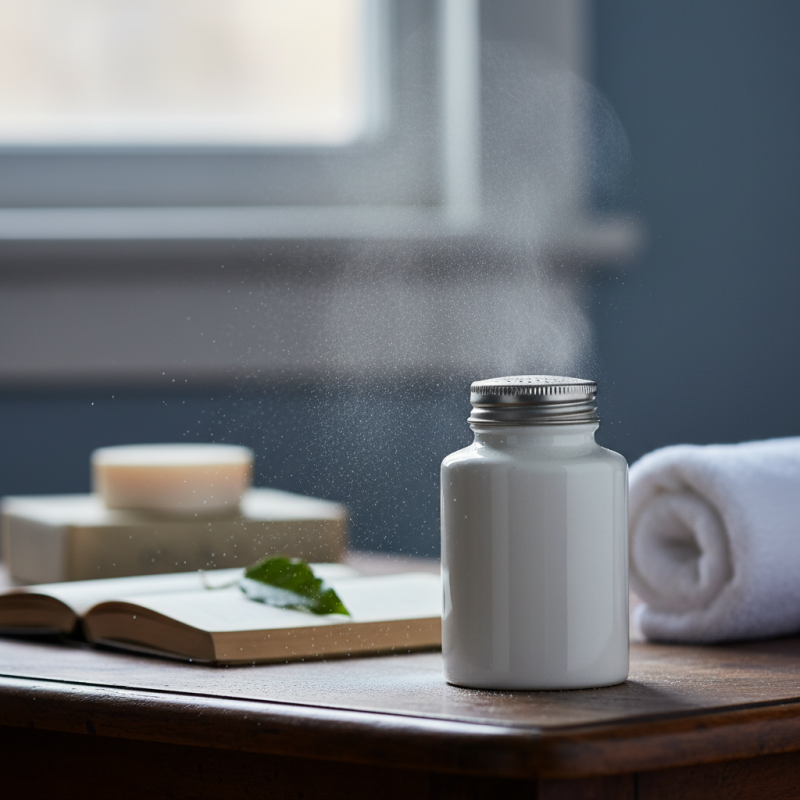
What is Talcum Powder and Is It Safe for Use?
talcum powder has been a common household item for many years. Often used for its ability to absorb moisture and reduce friction, it is widely found in baby powder and cosmetic products. However, recent concerns about its safety have emerged.
Many people are unsure if talcum powder is safe for everyday use. The main ingredient, talc, can sometimes be contaminated with asbestos. This has led to health worries, particularly regarding cancer risks. Not everyone is aware of these potential dangers.
While some studies show that talcum powder is safe, others raise alarms. This conflicting information creates confusion. It is essential for consumers to be informed about the risks and benefits of using talcum powder. Reflection on its use is necessary for making safe choices.
What is Talcum Powder and Its Common Uses?
Talcum powder is a fine powder made from talc, a mineral composed of magnesium, silicon, and oxygen. It is widely used for its moisture-absorbing properties. According to reports, talcum powder is commonly found in personal care products like body powder and cosmetics. The soft texture offers a silky feel, making it appealing for use on the skin.
In addition to personal care, talcum powder has various industrial applications. It is used in the production of plastics, paints, and paper. The Specialty Chemicals Market report states that talc usage in various industries is expected to grow steadily. However, the safety of talcum powder has been under scrutiny due to concerns over possible contamination with asbestos, a known carcinogen. Studies indicate that the risks associated with using talcum powder can vary significantly based on its source and purity.
Despite its common uses, not all talcum powders are created equal. Research findings indicate a need for more stringent regulations and quality controls to ensure safety. Some reports highlight that many consumers remain unaware of the potential risks. Consumer education is vital as people seek safe alternatives for daily use. The evolving narrative around talcum powder encourages discussions about ingredient transparency and safety in personal care products.
The Composition of Talcum Powder: Ingredients Explained
Talcum powder is primarily composed of talc, a mineral made up of magnesium, silicon, and oxygen. It is prized for its softness and absorbent properties. Many personal care products, such as body powders and cosmetics, utilize talc for a silky texture. However, the safety of talcum powder has been debated due to its potential contamination with asbestos.
When examining the composition, it’s crucial to note that not all talc is created equal. According to the U.S. Food and Drug Administration (FDA), talc used in cosmetics must be free of asbestos. However, testing methods can vary. Some studies indicate that even trace amounts can lead to health concerns, particularly with long-term exposure. More than 5,000 lawsuits have been filed alleging links between talcum powder and ovarian cancer, raising questions about its safety.
Another interesting aspect lies in the manufacturing process. Talc undergoes processing and can be mixed with other ingredients, complicating its safety profile. Industry reports suggest that while pure, asbestos-free talc is considered safe for cosmetic use, ongoing scrutiny is essential. This uncertainty means consumers should remain informed and cautious with their choices. The dialogue around talcum powder highlights the need for transparency in product ingredients and rigorous testing protocols.
What is Talcum Powder and Is It Safe for Use?
| Ingredient | Purpose | Safety | Potential Risks |
| Talc | Absorb moisture, reduce friction | Generally considered safe if free from asbestos | Contamination with asbestos can lead to health risks |
| Cornstarch | Absorb moisture, provide a smooth texture | Considered safe for most users | Some individuals may experience sensitivity |
| Fragrance | Add scent to the product | Safety varies by formulation | Potential for allergic reactions |
| Preservatives | Prevent microbial growth | Safe in regulated amounts | Possibility of skin irritation in sensitive individuals |
Health Concerns Associated with Talcum Powder Use
Talcum powder is a mineral-based product often used for its absorbent properties. Many people use it to keep their skin dry and fresh. However, health concerns have surfaced regarding its safety. Research has linked talcum powder to various health issues. The primary worry is its potential connection to cancer, particularly ovarian cancer.
Some studies indicate that long-term use of talcum powder in the genital area may increase this risk. Talc can contain asbestos, a known carcinogen. Even traces can pose serious health risks. This connection raises a red flag for many users. Consumers should be aware of what they use on their bodies. Regulatory measures are still being discussed.
Moreover, allergic reactions can occur. Some individuals may experience skin irritation or rashes. It is essential to listen to your body. If irritation occurs, it’s wise to stop using the product. We should question whether we truly understand the products we apply daily. Health safety should always be a priority, and reflection on personal choices is necessary.
Research Findings on Talcum Powder and Cancer Risks
Talcum powder, made from talc, is commonly used for its moisture-absorbing properties. Many people apply it to keep skin dry and prevent chafing. However, recent research findings raise concerns about its safety, particularly regarding cancer risks.
Studies have suggested a link between talcum powder and certain types of cancer, specifically ovarian cancer. Some researchers believe that talc fibers, when used in the genital area, may travel to the ovaries. This raises important questions. Is the convenience worth the potential risk? Some individuals might not consider these implications when choosing products.
The scientific community remains divided. Some evidence is compelling, while other studies suggest minimal risk. It’s crucial to weigh the evidence carefully. Personal experiences vary. Many users might feel unaware of the potential dangers. As more research emerges, consumers should reflect on their choices regarding talcum powder use.
Guidelines for Safe Use of Talcum Powder in Daily Life
When using talcum powder, safety is a primary concern. Proper usage can make a difference. Here are some guidelines to keep in mind.
Choose the right place for application. Areas should be clean and dry. Avoid applying powder to broken skin or open wounds. This can lead to irritation or infection.
Dust the powder lightly. Less is more when it comes to application.
Tip: Always use talcum powder in moderation. Too much can cause clumping and discomfort. Remember to keep the powder container closed when not in use. It minimizes the chances of inhaling the powder.
Consider the frequency of use. Daily application may not be necessary for everyone. Listen to your body and adjust accordingly. If irritation occurs, stop using it.
Tip: Store talcum powder in a cool, dry place. Exposure to moisture can cause it to clump and become less effective. Regularly check for expiration dates, and dispose of any expired products.