How to Source Food Grade Calcium Hydroxide for Your Business?
In the dynamic world of food production, sourcing high-quality materials is crucial. Calcium Hydroxide Food grade serves as an essential ingredient in various applications, including food preservation and processing. "Finding reliable suppliers is key to ensuring product safety and compliance," says Dr. Emily Chang, a noted expert in food additives.
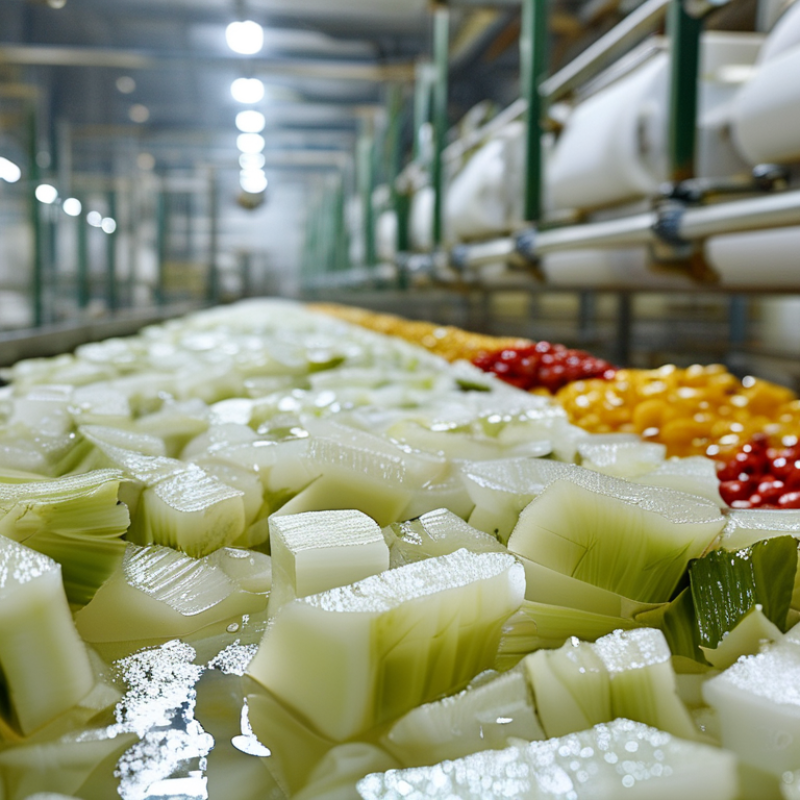
Strategically sourcing this compound requires understanding its applications and regulations. Industries rely on Calcium Hydroxide Food Grade for its alkalizing properties and as a firming agent. It's widely used in pickling vegetables, where its effectiveness is vital. However, not all suppliers meet the necessary standards, which can complicate procurement efforts.
Choosing the right source involves more than just pricing; it demands a commitment to safety and quality. Each supplier should provide transparency about their sourcing practices and testing protocols. In a market flooded with options, businesses must prioritize those who uphold stringent quality measures.
Understanding Food Grade Calcium Hydroxide and Its Applications
Calcium hydroxide, known as food-grade lime, is utilized in various applications across the food industry. Its primary uses include food preservation, pH control, and as a firming agent in fruits and vegetables. According to a 2021 market report, the global calcium hydroxide market is projected to grow at a rate of 4.5% annually, highlighting its increasing significance in food processing.
The effectiveness of calcium hydroxide is evident in processes like nixtamalization, where corn is treated to improve its nutritional value. Studies indicate that this method can enhance the availability of essential nutrients by up to 30%. However, sourcing food-grade calcium hydroxide requires diligence. Impurities can lead to safety concerns, making it crucial to ensure that the product meets food safety standards.
Tips: Always request a Certificate of Analysis (CoA) from suppliers to verify purity. Evaluate the supplier's reputation through reviews and industry references. Maintaining close relationships with distributors can lead to more reliable sourcing options. As demand grows, ensure your supply chain remains compliant and transparent for quality assurance.
Food Grade Calcium Hydroxide Sources and Applications
This chart illustrates the various applications of food grade calcium hydroxide and the estimated percentage of usage in different sectors.
Identifying Reliable Suppliers for Calcium Hydroxide
When sourcing food-grade calcium hydroxide, identifying reliable suppliers is crucial. Quality should always come before price. Research is essential. Look for suppliers with a good track record. Check their certifications and compliance with food safety standards. This ensures the product is safe for use in food applications.
Tips: Always ask for samples. This allows you to assess quality directly. Speak to their customer service. Responsive and knowledgeable staff can indicate a reputable supplier. Don't ignore online reviews. They offer insights into others' experiences and the supplier's reliability.
Consider visiting suppliers in person if possible. Meeting face-to-face can build trust. Observe their facilities. Clean, organized spaces often reflect their commitment to quality. However, remain cautious. Sometimes a polished appearance doesn’t guarantee product integrity. It’s a balancing act that requires careful evaluation and reflection on your choices.
Evaluating the Quality Standards for Food Grade Products
When sourcing food grade calcium hydroxide, understanding quality standards is crucial. The purity of the product directly impacts safety and efficacy. Experts recommend a minimum purity level of 95% for food applications, as outlined in numerous industry reports. Some reports indicate that impurities can lead to adverse health effects. Therefore, a careful evaluation of suppliers is essential.
Testing protocols should be robust and transparent. Third-party certifications are valuable indicators of quality. Notably, organizations like the Food Chemicals Codex evaluate food additives. Their guidelines help businesses determine if a product meets safety benchmarks. However, some suppliers may lack rigorous testing. A recent industry survey showed that only 40% of suppliers comply with standard testing procedures.
Keep an eye on sourcing practices. Sustainable practices are gaining traction among consumers. Verify if suppliers adhere to environmentally friendly methods. Always ask about the source of calcium hydroxide. Analyzing the supply chain helps ensure compliance with safety regulations. This diligence builds trust with consumers and enhances brand reputation. Transparency in sourcing can be a competitive advantage.
Strategies for Negotiating Prices and Terms with Suppliers
Negotiating prices for food grade calcium hydroxide can feel daunting. It’s essential to approach suppliers with clarity. Start by researching market prices. Knowing what others pay gives you an advantage. This knowledge builds confidence in discussions. A well-prepared buyer is respected in negotiations.
When contacting suppliers, discuss your needs openly. Share your estimated volume and application. This information allows suppliers to offer tailored pricing. Ask about their production methods and quality control processes. Understanding their operations can reveal their reliability. Often suppliers are willing to provide discounts for bulk orders or long-term commitments.
However, be mindful of red flags. If a price seems too low, investigate further. Sometimes lower quality materials are involved. Maintain a balance between cost and quality. A transparent supplier is preferable. With careful negotiating, you can establish a strong partnership.
Regulatory Compliance Considerations for Purchasing Calcium Hydroxide
When sourcing food-grade calcium hydroxide, understanding regulatory compliance is essential. Different regions have distinct standards regarding food safety. Reviewing local regulations is crucial. Ensure that your supplier complies with these regulations. This will help you avoid potential legal troubles.
Tips for compliance: Always request documentation proving your supplier's compliance with food safety standards. Keep records of all purchases. This includes safety data sheets and certificates of analysis. These documents serve as proof that your material meets necessary criteria.
Be aware that not all suppliers are familiar with food-grade standards. This can lead to inconsistencies in product quality. Conducting a site visit can help assess the supplier’s processes. Proper training of your team about compliance is also vital. This ensures everyone understands the importance of using compliant materials in production.