What is Muscovite Mica and Its Uses in Industry?
muscovite mica is a unique mineral that finds extensive use in various industries. Its shimmering, thin sheets offer properties that are both functional and aesthetically pleasing. Found primarily in igneous and metamorphic rocks, muscovite mica is well-known for its exceptional electrical insulating capabilities.
In the construction sector, muscovite mica plays a significant role. It enhances materials like paints and coatings, providing a glossy finish. This mineral is also used in electronics. In capacitors and other devices, muscovite mica's insulation properties shine through. Yet, the sourcing and processing of muscovite mica are not without challenges. Mining practices raise environmental concerns that deserve attention.
Additionally, there is always a need for improvement in the industry’s standards. Striking a balance between effective use and sustainable practices is essential. Muscovite mica continues to offer many possibilities. However, we must approach its application with mindfulness to both innovation and responsibility.
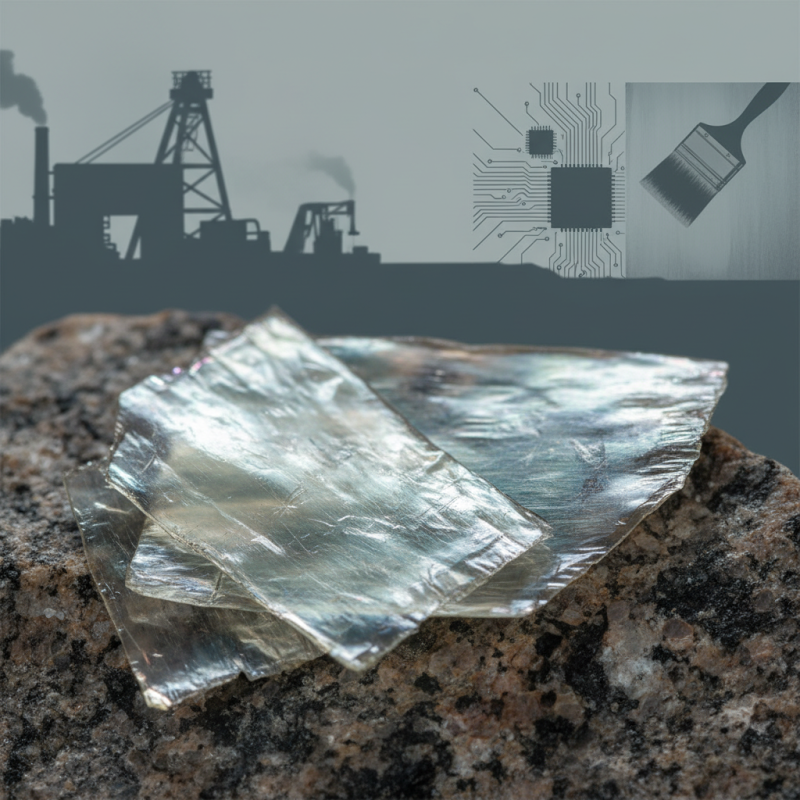
Definition and Composition of Muscovite Mica
Muscovite mica is a naturally occurring mineral belonging to the mica group. Composed primarily of potassium aluminum silicate, its chemical formula is KAl2(AlSi3O10)(OH)2. This phyllosilicate mineral exhibits unique properties such as perfect basal cleavage and excellent insulating capabilities. These characteristics make it particularly valuable in various industrial applications.
In the construction industry, muscovite mica is often used in wallboards and ceilings. It enhances durability and fire resistance. According to a recent industry report, demand for mica in construction is expected to grow by 4% annually through 2025. Additionally, muscovite is utilized in electrical insulation. Its insulating properties ensure that devices can operate safely and effectively. In cosmetics, it adds shimmer to makeup products. This feature is desirable, contributing to its rising use in beauty products.
Despite its numerous advantages, extracting muscovite mica raises environmental concerns. The mining process can lead to habitat destruction and water pollution. This has prompted discussions regarding sustainable mining practices. Manufacturers play a crucial role in addressing these concerns, yet much work remains. Industry experts urge for a balance between economic benefits and ecological responsibility.
Geological Formation and Sources of Muscovite Mica
Muscovite mica is a naturally occurring mineral. It forms through the crystallization of aluminosilicate fluids. This process often takes place in igneous rocks. Granite is one of the primary sources of muscovite. Many locations worldwide, including India and Brazil, host large deposits. According to the United States Geological Survey, muscovite production has fluctuated, with an estimated 150,000 metric tons produced globally in recent years.
Geological formations play a crucial role in muscovite's availability. The mineral typically appears in schist and pegmatite formations. These environments provide the ideal conditions for its development. Despite its widespread presence, high-quality muscovite remains limited. This scarcity can impact industries reliant on its unique properties. Electronics, paints, and cosmetics heavily depend on this mineral for its heat resistance and electrical insulating capabilities.
One might wonder about the sustainability of muscovite mining. Extraction methods can cause environmental concerns, such as habitat disruption. Many reports recommend improved practices. The industry's future relies on balancing demand with responsible sourcing. The intricate connection between geology and industrial needs highlights the complexity of muscovite mica's role.
Muscovite Mica Production and Usage in Various Industries
Key Physical and Chemical Properties of Muscovite Mica
Muscovite mica is a staple in many industries. It has unique physical and chemical properties that contribute to its widespread use. This mineral is known for its excellent insulating properties. Its dielectric strength can reach up to 15,000 volts per millimeter. Additionally, muscovite mica is highly resistant to heat. It can withstand temperatures up to 600 degrees Celsius without losing its structural integrity.
Chemically, muscovite mica is a hydrated aluminum potassium silicate. Its composition provides flexibility and strength. These features make it ideal for applications in electronics and construction. In electronics, muscovite is often used in capacitors and insulators. Its low thermal conductivity is advantageous in these settings. The mining industry has also recognized its value. Muscovite flakes are often used in roofing materials and joint compounds.
Despite its benefits, sourcing muscovite mica raises concerns. Many mica mines operate in regions with unethical practices. This brings social responsibilities into question. Transparency in supply chains remains a challenge. The purity of muscovite can vary, affecting performance in applications. Quality control is essential. The industry must strive for better standards and ethical practices.
Industrial Applications of Muscovite Mica in Various Sectors
Muscovite mica is a silicate mineral widely used in various industrial sectors. Its unique properties make it a valuable resource. According to the Global Mica Market report, the mica industry reached a value of approximately $1.24 billion in 2021. This growth reflects increased demand across multiple applications.
In cosmetics, muscovite mica is prized for its shimmering effect. It provides a natural glow in makeup products. Roughly 30% of global mica consumption is in the cosmetic sector. However, there are concerns about sourcing practices. Transparency issues arise, necessitating a greater focus on ethical sourcing solutions. Companies are urged to ensure sustainability.
The electronics industry also relies on muscovite mica. Its electrical insulation properties make it a top choice for capacitors and insulating materials. Market analysis indicates that the electronics sector accounts for nearly 50% of mica usage. Yet, the reliance on labor-intensive extraction remains problematic. The industry should focus on innovation, improving extraction efficiency, and minimizing environmental impact.
Future Trends and Innovations in Muscovite Mica Usage
Muscovite mica is increasingly valued for its versatility in various industries. Its unique properties, such as heat resistance and electrical insulation, make it a sought-after material. However, future trends show that its usage may expand in unexpected ways. Innovations are emerging in areas like renewable energy and electronics.
One promising trend is the incorporation of muscovite mica in
sustainable building materials. This mineral can improve
energy efficiency in construction. It can also enhance the durability of products. Research is underway to explore its potential in biodegradable composites. But
challenges remain. Not all applications are environmentally friendly, and more exploration is necessary.
Additionally, muscovite mica is finding a place in
cosmetics and personal care products. Its shimmering quality adds aesthetic value. However, the demand raises concerns about sustainability and ethical sourcing. Balancing industrial needs with environmental impacts will be crucial. Companies are being urged to scrutinize their practices. Innovations should prioritize responsible mining and production techniques.