What is HPMC and Where to Find HPMC for Sale?
Hydroxypropyl methylcellulose (HPMC) is a versatile polymer widely used in the construction, pharmaceutical, and food industries. Its unique properties make it essential for various applications, including as a thickening agent, binder, and emulsifier. According to a recent market report, the global demand for HPMC is expected to grow significantly, with projections estimating market growth at a CAGR of 6.5% over the next five years. This data highlights the increasing need for high-quality HPMC products.
For manufacturers and businesses seeking to purchase HPMC, knowing where to find "hpmc for sale" is crucial. Numerous suppliers cater to diverse needs, from bulk orders for construction projects to smaller quantities for pharmaceuticals. Yet, it's important to evaluate suppliers carefully. Not all products meet the strict standards required in sensitive applications. Different batches may have varying properties. Thus, finding reliable sources of HPMC and understanding certification standards will ensure quality.
With the growing market, potential buyers may feel overwhelmed by choices. It’s vital to conduct thorough research. This can help avoid subpar products that may yield unsatisfactory results. In a competitive industry like construction, the right materials can make a significant difference in project outcomes. Therefore, knowing the ins and outs of sourcing HPMC is essential for anyone involved in these sectors.
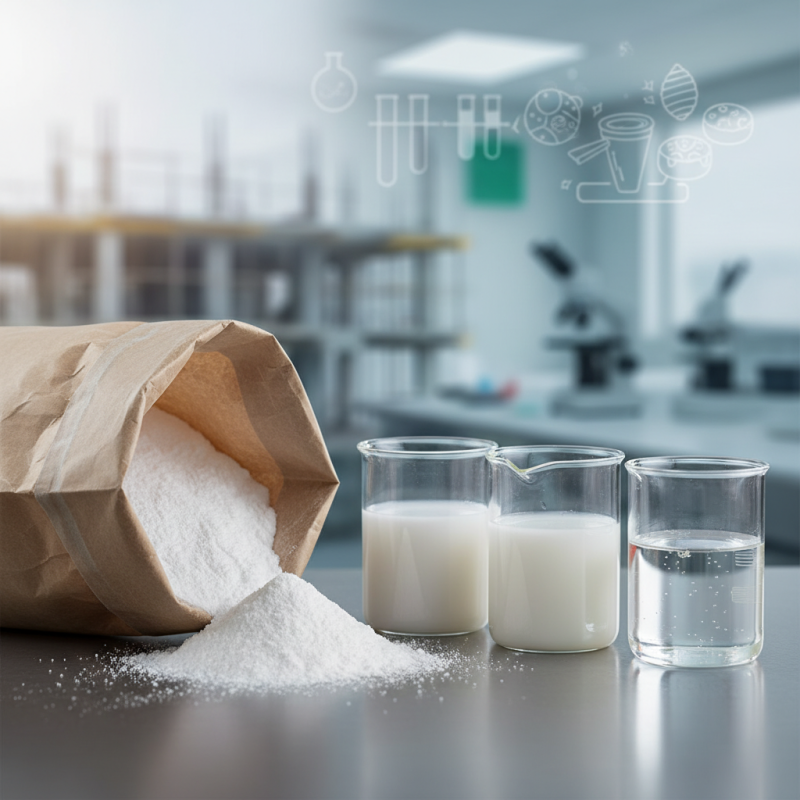
What is HPMC and Its Chemical Composition?
HPMC, or hydroxypropyl methylcellulose, is a versatile chemical compound. It is primarily derived from cellulose. This polymer is commonly used in building materials, food products, and pharmaceuticals. HPMC acts as a thickening agent, binder, and emulsifier. Its unique properties make it valuable in various applications.
The chemical composition of HPMC includes hydroxypropyl and methoxy groups. These modifications enhance its solubility and stability in different environments. HPMC is non-toxic, which makes it suitable for many formulations. In construction, it helps improve the workability of mortars and plasters. In food, it is often used as a fat replacer or thickener.
Tips: When sourcing HPMC, consider checking local suppliers. They may offer competitive pricing and lower shipping costs. Always look for product specifications to ensure compatibility with your application. Research the different grades of HPMC available. Each type offers unique benefits based on its chemical structure.
Finding hpmc for sale can be tricky. Many online platforms list it, but quality varies. Read customer reviews to gauge reliability. Check the purity levels to meet your project's needs. Remember, what works for one use might not work for another.
The Applications of HPMC in Various Industries
HPMC, or Hydroxypropyl Methylcellulose, finds applications across various industries. Its unique properties make it valuable in construction, pharmaceuticals, and food products. In construction, HPMC acts as a thickening agent. It improves the workability of cement and enhances adhesion. The construction process becomes smoother thanks to HPMC.
In pharmaceuticals, HPMC is key for drug formulations. It helps control drug release and enhances stability. Many capsules use HPMC as a vegetarian alternative to gelatin. Moreover, HPMC serves as a binder in tablets, ensuring even distribution of ingredients.
Food applications are equally important. HPMC is used as a food additive. It improves texture and viscosity in sauces and baked goods. However, it's noteworthy that not all HPMC is suitable for every application. Always check specifications before use.
Tips: When sourcing HPMC, consider purity levels and specific applications. Assess your industry needs carefully. Look for reputable suppliers who can provide data sheets. Trying small quantities first may help in decision-making.
How to Identify Quality HPMC Products?
When searching for quality HPMC (Hydroxypropyl Methylcellulose) products, several factors come into play. The first aspect to consider is the appearance of the powder. High-quality HPMC should be white or off-white with a fine texture. It should flow easily and not clump together. Clumps often indicate poor handling or lower quality.
Next, check the solubility of the product. Good HPMC dissolves cleanly in cold water, forming a clear gel. If you notice residual particles or cloudiness, the product may not be of high quality. Additionally, assess the viscosity. Using a simple viscosity test with water can provide insights into the product's effectiveness.
It's also worth considering the supplier's reputation. Look for trusted sources that provide detailed product specifications. Genuine products often come with technical data sheets. Poor clarity in these documents can be a red flag. Lastly, customer reviews can shed light on real-world performance, but beware of overly positive reviews. Seek balanced ones that mention both pros and cons.
What is HPMC and Where to Find HPMC for Sale? - How to Identify Quality HPMC Products?
| Product Type | Purity Level | Packaging Size | Application Area | Price Range (per kg) |
| HPMC 100 | 99% | 25 kg | Construction | $10 - $15 |
| HPMC 75 | 98% | 20 kg | Pharmaceuticals | $12 - $18 |
| HPMC 200 | 99.5% | 50 kg | Food Industry | $15 - $20 |
| HPMC 150 | 99% | 10 kg | Cosmetics | $8 - $13 |
Where to Purchase HPMC: Retail and Online Options
HPMC, or Hydroxypropyl Methylcellulose, is a versatile substance used in various industries. If you're looking for HPMC, you can find it in many places. Local retailers often stock it in their raw material sections. Online stores are another excellent option. Websites specializing in chemical supplies tend to have a wide selection.
When purchasing HPMC, consider the quality and specifications. Pay attention to the grade that fits your needs. Reviews from other users can provide insight into reliability. Shipping costs and delivery times may vary significantly. Sometimes, the cheapest option isn't the best. Evaluate all facets before making a decision.
Navigating the purchase of HPMC may seem overwhelming. Choosing between local and online options can be challenging. Some find that local suppliers provide immediate access but may lack variety. Online sources often offer broader selections but may take longer to deliver. Reflect on what matters most to you: speed or variety? This thought process is essential before finalizing your order.
Important Considerations When Buying HPMC
When considering the purchase of HPMC (Hydroxypropyl Methylcellulose), quality should be a top priority. The source of HPMC can significantly impact its effectiveness. Look for suppliers with a solid reputation. Online reviews can provide insights, but note that they aren't always reliable. Don't hesitate to ask for samples before placing a bulk order. This allows you to test the product's consistency and performance in your application.
Pricing is another key factor. While searching for HPMC for sale, you might find a broad price range. Cheaper options may raise doubts about quality. Investing a bit more may save you from potential issues later. Always verify if the product meets industry standards. Certificates of analysis can offer reassurance about a batch's quality.
Additionally, consider the storage and shelf life of HPMC. Some suppliers might not provide clear information on this. Such details are crucial for planning your usage effectively. Packaging can also be a telltale sign of quality. Look for well-sealed, labeled containers to ensure the material's integrity. Be mindful that buying in larger quantities might tempt you, but assess your actual needs carefully. This prevents wastage and ensures better inventory management. The clarity of communication from suppliers is also essential. If they are unresponsive, it might reflect on their overall service.