Why Are Food Safety Kits Essential for Your Kitchen?
In every kitchen, the importance of Food Safety Kits cannot be overstated. These kits are essential tools for preventing foodborne illnesses. They help ensure your food is prepared safely and hygienically. Imagine cutting vegetables without the right sanitizing tools. Contamination may happen without you even realizing it.
Food Safety Kits contain critical items like thermometers, sanitizer, and color-coded cutting boards. Each item plays a unique role in food safety. When cooking chicken, for example, a thermometer ensures it reaches a safe temperature. Neglecting this can lead to serious health issues. It's unfortunate how easy it is to overlook these details.
Moreover, using a kit fosters best practices in the kitchen. As we strive for safety, we often find ourselves making simple mistakes. Maybe we forget to wash our hands before cooking. Or perhaps we let leftovers sit out too long. Reflecting on these slips can lead to better habits. Food Safety Kits are not just helpful; they are necessary for creating a safe cooking environment.
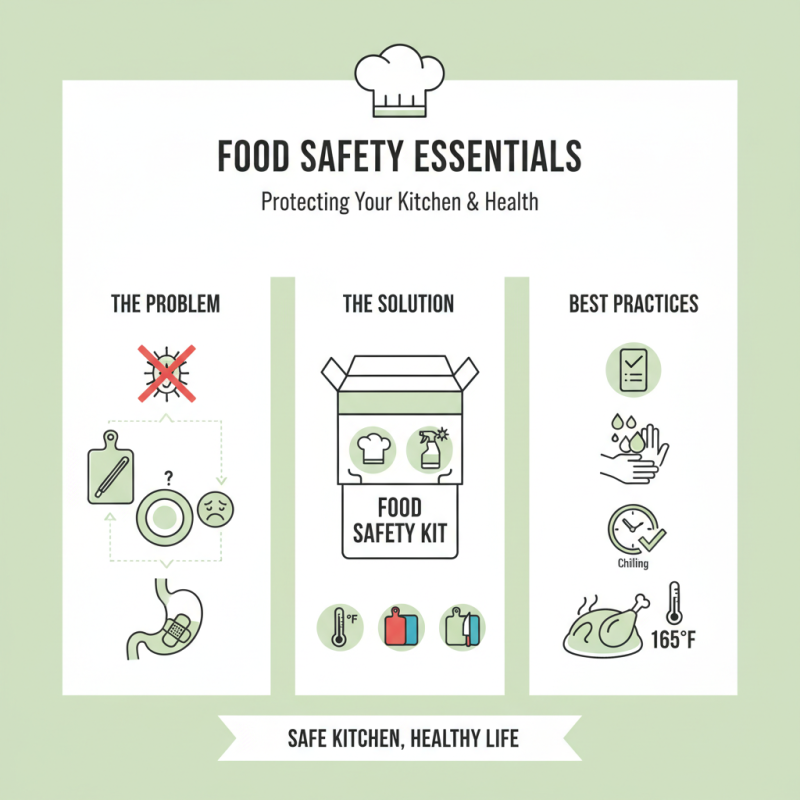
Importance of Food Safety in Preventing Foodborne Illnesses
Food safety is crucial in any kitchen. Foodborne illnesses affect millions of people annually. The Centers for Disease Control and Prevention (CDC) estimates that 48 million people get sick from contaminated food each year in the U.S. This staggering statistic highlights why food safety kits are essential.
Using a food safety kit helps reduce contamination risks. These kits often include essential tools such as thermometers, color-coded cutting boards, and sanitation supplies. Each tool plays a specific role. For instance, thermometers ensure that food is cooked to safe temperatures. The USDA recommends cooking ground meats to at least 160°F. Yet, many home cooks neglect to check internal temperatures. This oversight can lead to severe health consequences.
Inadequate food handling practices contribute to foodborne illnesses. A recent study found that improper cleaning of surfaces can double the risk of contamination. People often forget to sanitize countertops after meal prep. A food safety kit serves as a reminder to maintain cleanliness. It provides guidance for safe storage, preparation, and cooking. Enhancing food safety awareness in the kitchen is vital for overall health.
Key Components of Food Safety Kits Essential for Every Kitchen
Food safety kits are crucial for any kitchen. They help prevent contamination and ensure safe food preparation. A well-equipped kit can include various essential tools.
One key component is a digital thermometer. Accurate temperature readings prevent undercooked food. This device helps avoid foodborne illnesses. Food safety is a priority in every meal. Another important tool is color-coded cutting boards. They reduce cross-contamination. Each board should represent a specific food type. This separation helps maintain hygiene standards.
Tips: Always keep your thermometer clean. Store cutting boards in a way that avoids contact with each other. Use separate utensils for raw and cooked foods. These small practices make a significant difference. Remember, the cleanliness of your kitchen directly affects your well-being. Regularly check your food safety kit. Replace any worn or expired items to ensure maximum effectiveness.
Statistics on Foodborne Illnesses and the Role of Safety Kits
Foodborne illnesses are a significant public health concern. Each year, millions are affected globally. The CDC reports that one in six Americans gets sick from contaminated food. Symptoms range from mild discomfort to severe infections. Some may even require hospitalization. These alarming statistics highlight the importance of being proactive in food safety.
Food safety kits play a vital role in preventing these illnesses. They often include essential tools like thermometers, gloves, and sanitizers. Using these tools can significantly reduce cross-contamination risks. For instance, checking meat temperatures ensures it’s cooked properly. Yet, many home cooks overlook proper food handling practices. This negligence may lead to avoidable outbreaks.
Additionally, having a food safety kit at hand encourages better hygiene practices. When cooking, people often forget to wash their hands or sanitize surfaces. With the right tools readily available, these tasks become easier. However, it’s essential to regularly check and update the kit to ensure everything is functional. This thoughtfulness can make a difference in maintaining a safe kitchen environment.
Why Are Food Safety Kits Essential for Your Kitchen?
| Dimension | Statistic |
| Number of Foodborne Illnesses Annually in the U.S. | 48 million |
| Percentage Caused by Contaminated Produce | 46% |
| Hospitalizations Due to Foodborne Illnesses | 128,000 per year |
| Deaths from Foodborne Illnesses | 3,000 per year |
| % of People Not Using Food Safety Kits | 60% |
| Awareness of Food Safety Guidelines | 55% of public |
Best Practices for Using Food Safety Kits Effectively in Home Cooking
Food safety kits are vital in home kitchens. They help prevent foodborne illnesses that affect millions annually. According to the CDC, around 48 million people get sick from food every year in the U.S. This staggering number highlights the need for proper safety practices.
Using a food safety kit effectively means understanding how to measure temperatures. For instance, raw chicken should reach 165°F. It's crucial to use a thermometer correctly. A digital thermometer can provide quick readings, ensuring food is cooked safely. Additionally, learn to clean surfaces properly. Bacteria thrive on countertops. Regularly disinfecting these areas can minimize risks.
Mistakes happen. Sometimes, food may be left out too long. The USDA advises not to leave perishables out for more than two hours. It’s easy to forget this rule during busy preparations. Reflecting on these oversights can lead to better practices in the future. Always keep safety in mind to protect your family.
How Food Safety Kits Enhance Kitchen Hygiene and Customer Trust
In any kitchen, hygiene is key. Food safety kits play a vital role here. They include thermometers, sanitizing solutions, and gloves. These tools help ensure proper food handling. The reality is that many kitchens can overlook basic practices. A simple thermometer can prevent undercooked meals. Yet, not everyone uses one consistently. This inconsistency can lead to health risks.
When customers see a clean and organized kitchen, they feel more secure. Food safety kits instill confidence. Staff can demonstrate good practices, like using gloves and sanitizers. This visual commitment to safety builds trust. However, it's essential to regularly check and replace items in the kit. Old thermometers or expired sanitizers do little to reassure customers.
Kitchens often face challenges in maintaining high standards. Mistakes can happen, like forgetting to wash hands or changing gloves. These oversights remind us that vigilance is necessary. Investing in food safety kits is not just about compliance. It’s about fostering a culture of safety and care. A proactive approach can elevate customer trust and enhance overall kitchen hygiene.
Importance of Food Safety Kits in the Kitchen