How to Choose the Best Medical Air Purifier for Your Home?
Choosing the right medical air purifier for your home can feel overwhelming. With various models available, it’s essential to make an informed decision. According to a report by the American Lung Association, quality air purifiers can reduce indoor pollutants by up to 99%. This can significantly benefit those with asthma or allergies.
Dr. Sarah Johnson, an air quality specialist, emphasizes the importance of selecting the right device: “Not all air purifiers are created equal. Understanding your specific needs is crucial.” A medical air purifier should target specific contaminants. This could include pollen, dust, or even bacteria. Buyers should consider factors like filter type and room size.
While many companies claim their models are the best, this may not always be true. Some purifiers may produce harmful ozone or noise. Research shows that not all air purifiers effectively remove viruses. Hence, consumers should critically evaluate their options before purchasing. Making the right choice can enhance the health of your household.
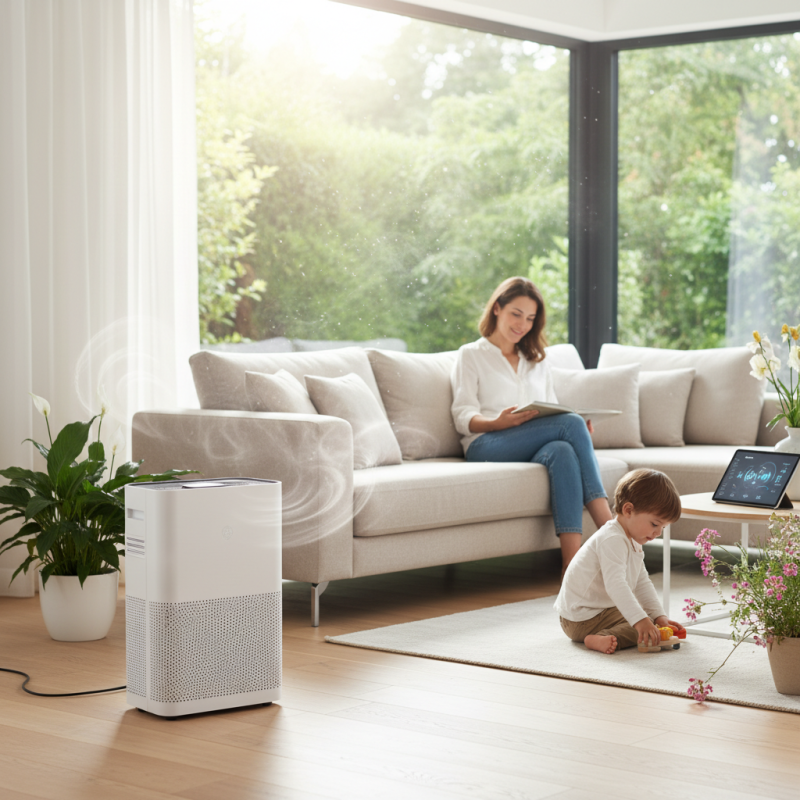
Understanding the Importance of Air Purifiers for Health and Well-being
Indoor air quality plays a critical role in our health and well-being. Poor air quality can lead to various health issues, including allergies, asthma, and respiratory problems. Air purifiers can help mitigate these risks by filtering out harmful pollutants like dust, pollen, and pet dander.
Choosing the right air purifier involves understanding your specific needs. Consider the size of your rooms and the types of pollutants present. Look for multi-stage filtration systems that can capture both large particles and smaller allergens. Not all air purifiers are created equal; some may struggle with certain contaminants.
Tips: Regularly check and replace filters to maintain effectiveness. Don't place the unit in a corner; it needs space to circulate air. Lastly, think about noise levels, especially if you plan to use it in a bedroom. An air purifier can significantly improve life quality, but it won’t solve all air-related issues if not matched well to your environment.
Key Features to Look for in Medical Grade Air Purifiers
Choosing the right medical air purifier for your home can feel overwhelming. With numerous options available, understanding key features is essential. Medical-grade air purifiers are designed to eliminate pathogens and allergens. Look for models with HEPA filters. These filters can capture 99.97% of particles as small as 0.3 microns, offering effective protection.
Tips: Consider the Clean Air Delivery Rate (CADR). A higher CADR means faster air cleaning. Aim for a purifier that can cover the size of your room efficiently. Many experts suggest choosing a model with a noise level below 50 dB. This ensures comfort while providing clean air.
Additionally, check for certifications. Look for units certified by organizations like the Association of Home Appliance Manufacturers (AHAM). It guarantees they meet rigorous safety and performance standards. Some reports indicate that a well-functioning air purifier can reduce asthma triggers by up to 60%. Yet, keep in mind that maintenance is crucial. Regular filter changes ensure performance remains high over time.
Evaluating CADR Ratings: A Measure of Air Purifier Efficiency
When selecting a medical air purifier, CADR ratings play a crucial role. CADR, or Clean Air Delivery Rate, measures how effectively a purifier removes specific pollutants from the air. These ratings are determined based on three key pollutants: dust, smoke, and pollen. A higher CADR indicates better performance. For example, a purifier with a CADR of 300 for smoke means it can filter a 300 square foot room quickly and efficiently. This is vital for households needing to manage allergens and irritants.
Tips for evaluating CADR ratings include comparing filters that deal with your specific needs. If you have allergies, focus on pollen and dust ratings. If asthma is a concern, check smoke CADR. Each rating indicates how many cubic feet of air the unit cleans per minute. However, keep in mind that other factors influence air quality, such as room size and airflow patterns. An efficient air purifier may still fall short if the room is poorly ventilated.
While CADR ratings provide essential information, they are not the only factor to consider. Larger rooms may require multiple units for optimal air cleanliness. Noise levels, energy consumption, and filter replacement frequency are also important. Balancing these aspects can be a challenge. Pay attention to how a unit fits your lifestyle and space. A perfect air purifier may not exist, but understanding CADR can guide you toward a better choice.
Comparing HEPA Filters vs. Other Filtration Technologies
When selecting a medical air purifier, understanding filter technology is crucial. HEPA filters stand out due to their efficiency. They can trap 99.97% of particles as small as 0.3 microns. This includes dust, pollen, and other allergens. The design of HEPA filters works through dense matting, creating a physical barrier.
Other filtration methods include activated carbon and UV light. Activated carbon excels at removing odors and harmful gases. However, it does not capture particles as effectively as HEPA. UV light focuses on killing germs and viruses, but it won’t clean air pollutants. Each method has strengths and weaknesses. Thus, your choice should depend on your specific needs.
Consider the environment you live in. Do you have pets, or are allergies a concern? A HEPA filter might be best in such situations. But, if odors are more of an issue, integrating activated carbon makes sense. The right combination can lead to fresher air. Balancing these options is where many people struggle. Don’t rush the decision; reflect on what air quality means for your home.
Assessing Room Size and Coverage: Ensuring Optimal Performance
When selecting a medical air purifier, assessing room size is crucial. The effectiveness of an air purifier relies heavily on its coverage area. By choosing the right size, you ensure that clean air circulates efficiently, reducing allergens and pollutants. Measure your room's dimensions first. This simple step helps you avoid purchasing a unit that's too small or unnecessarily large.
Tips: Check the Clean Air Delivery Rate (CADR). This figure indicates how quickly the purifier can clean the air in a specific space. Also, consider the ceiling height. A room with high ceilings may need a purifier with a higher capacity. Sometimes, a standard model may not be adequate.
Don’t forget about placement. Position the purifier in a central location for maximum airflow. Avoid corners or behind furniture, as these spots can hinder performance. Monitor the air quality regularly, and adjust the purifier’s settings if needed. Reflect on how often you notice dust or allergens. It can help you determine if your current model is truly effective.