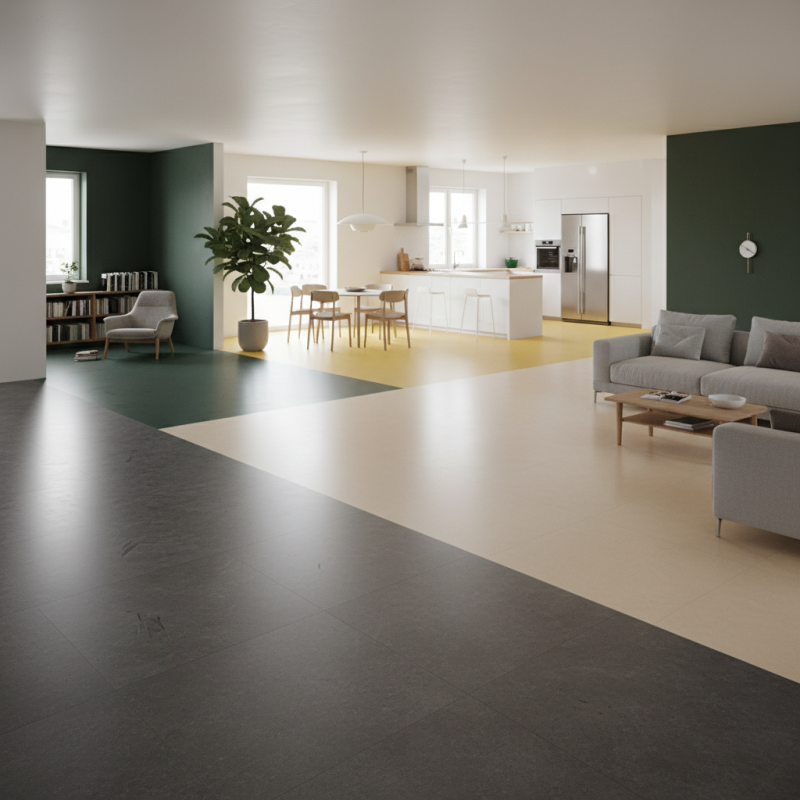
How to Choose the Best Homogeneous Floor for Your Space?
Choosing the right homogeneous floor for your space is crucial. A homogeneous floor can enhance the overall look and functionality of a room. It offers a seamless appearance, making it a popular choice for both residential and commercial settings.
When selecting a homogeneous floor, consider the material's durability and ease of maintenance. Some options may scratch or stain easily, which can lead to costly repairs. Think about the colors and textures that fit your style. A bright color might energize a space, while neutral tones can create a calming effect.
Ensure your choice fits the specific needs of the area. For example, high-traffic areas require tougher materials. Reflect on the long-term implications of your decision. A beautiful floor is fantastic, but it should also stand the test of time. Ultimately, the choice of homogeneous floor can significantly shape the atmosphere of your space.
Understanding Homogeneous Flooring: Definition and Characteristics
Homogeneous flooring is a type of resilient floor made from a single layer of material. This design gives it a consistent appearance and durable quality. Unlike layered flooring, homogeneous options are uniform all the way through. They typically feature rich colors and patterns that are part of the flooring itself. This can make scratches less noticeable, but it may not be as forgiving as other materials when it comes to heavy impacts.
One of the key characteristics of homogeneous floors is their ease of maintenance. A simple clean with a damp cloth can often do the job. They are also resistant to stains, which is an advantage in high-traffic areas. However, some users find them too rigid or cold underfoot. In spaces like schools or hospitals, this can be a drawback. The flooring might require additional cushioning, which can add to the overall cost.
Another aspect to consider is the installation. Homogeneous flooring often needs a skilled installer to ensure a smooth finish. Any imperfections in the subfloor can become glaring if not addressed. Many people overlook this detail, leading to dissatisfaction later on. Reflecting on these factors can help you make a more informed decision.
Assessing Your Space: Evaluating Requirements and Preferences
When selecting a homogeneous floor, start with a clear assessment of your space. Consider the size and layout of the room. A compact space may benefit from lighter colors, making it feel larger. Conversely, wider areas can handle bolder shades without feeling cramped. Research indicates that light colors can enhance the perception of space by up to 20%.
Pay attention to the room’s primary function. For instance, kitchens require durability and stain resistance. On the other hand, bedrooms may focus more on comfort and aesthetic appeal. An industry report from the Floor Covering Industry suggests that 70% of homeowners prioritize ease of maintenance in their flooring choices.
Tips: Think about the traffic your space experiences. High foot traffic areas need tough materials that can withstand wear. Additionally, balance your personal style with practical needs. If you're unsure about color, try samples in natural light. This helps visualize how the floor looks at different times of the day. Remember, the choice isn’t just about looks; it should support your lifestyle too.
Choosing the Best Homogeneous Floor: Key Criteria and Preferences
Types of Homogeneous Flooring Materials and Their Applications
When considering homogeneous flooring, it's essential to understand the types available. Vinyl, for instance, is affordable and comes in various colors. It resists moisture well, making it ideal for kitchens and bathrooms. Polypropylene is another option, recognized for its durability and ease of maintenance. It is commonly used in commercial spaces due to its toughness.
Ceramic tiles are popular but may require more effort to install. They offer a sleek look but can be cold and hard underfoot. Rubber flooring, on the other hand, provides a softer feel and is shock absorbent. It's often used in gyms and play areas. Each type has its advantages and drawbacks, influencing your choice.
Tips: Consider foot traffic levels. Materials that withstand heavy use will last longer. Think about maintenance too. Some surfaces are easier to clean than others. Always assess your space's lighting. Darker colors can make a small area feel even smaller. Don't rush the decision; take the time to reflect on what best suits your needs.
Installation Considerations: Methods and Professional Help
When considering the installation of homogeneous flooring, various factors come into play. The choice of installation method can significantly impact both the appearance and longevity of the floor. For instance, adhesive installation is popular for its flexibility and ease. According to a report by the National Floor Covering Association, over 60% of flooring installations utilize this method. However, it's essential to factor in the subfloor condition. A well-prepared subfloor prevents future complications, ensuring smoother installation and performance.
Professional help can be invaluable during the installation process. While DIY options exist, proper expertise can mitigate costly mistakes. A survey from the Flooring Industry Research Institute indicates that improperly installed floors can lead to a 30% reduction in durability. Additionally, professionals can assess environmental factors like moisture levels, which play a crucial role in the flooring’s lifespan. Moreover, some installers may not sufficiently address moisture issues, leading to mold or warping. Relying solely on self-guided resources might overlook these essential evaluations, making expert input crucial for ensuring a successful flooring project.
How to Choose the Best Homogeneous Floor for Your Space? - Installation Considerations: Methods and Professional Help
| Dimension | Description | Considerations | Professional Help |
| Material Type | Vinyl, Rubber, Linoleum | Choose based on durability and style | Consult with flooring experts for best material |
| Thickness | Varies from 2mm to 5mm | Thicker options can provide more comfort and insulation | Installers can advise on ideal thickness based on usage |
| Surface Finish | Glossy, Matte | High gloss may be harder to maintain | Professionals can recommend finishes based on traffic |
| Installation Method | Glue-down, Loose lay, Click-lock | Consider the subfloor and room foot traffic | Hire professionals for complex installations |
| Cost | Ranges widely based on materials | Budget for materials and installation | Get quotes from multiple flooring specialists |
Maintenance Tips for Long-lasting Homogeneous Floors
Choosing the right homogeneous floor is crucial, but maintenance is equally important. Regular cleaning is essential to keep your floors looking pristine. According to industry reports, approximately 40% of floors lose their appeal due to neglect. Simple daily sweeping and mopping can significantly improve the longevity of the surface.
Even with proper care, some mistakes can occur. High humidity may lead to mold growth, so using a dehumidifier is advisable. You might overlook this, but it makes a difference. Also, using harsh chemicals can damage the floor’s finish, causing unsightly wear. A gentle cleaner specifically designed for homogeneous surfaces is a smarter choice.
In high-traffic areas, wear and tear are inevitable. Reports suggest that up to 30% of floor damage occurs in these spaces. Consider placing mats at entry points to minimize dirt and debris. It’s a small step that can yield impressive results over time. Remember, every decision impacts your floor's lifespan. Choose wisely, and maintain diligently.