How to Choose Electric Garage Doors for Your Home?
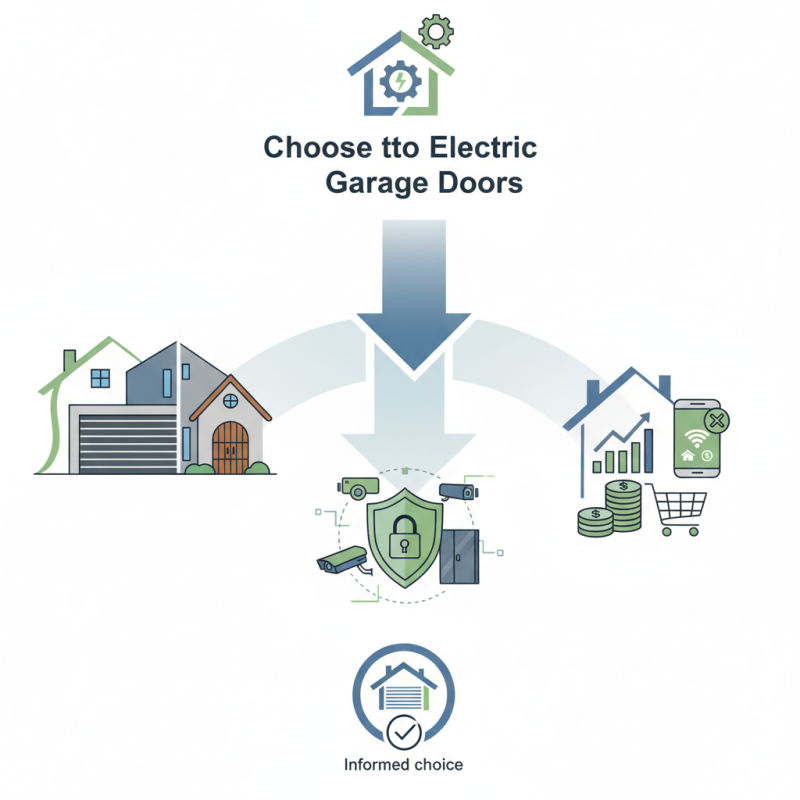
Choosing the right Electric Garage Doors for your home can be a daunting task. The market is filled with options. You might feel overwhelmed by styles, materials, and features. Understanding the key factors will help you make an informed choice.
Consider the style of your home. If you have a modern design, sleek electric doors may be ideal. Alternatively, a traditional home might benefit from classic wooden styles. Safety and security features are crucial, too. Look for doors with robust locking systems. This can prevent break-ins and enhance your peace of mind.
Budget is another important aspect. Electric Garage Doors can vary widely in price. Some might come with advanced technology, like smart capabilities, that could be unnecessary for many homeowners. Reflect on what you truly need. By narrowing down your options, you can find the perfect electric garage door that matches your style and budget.
Types of Electric Garage Doors and Their Features
When choosing electric garage doors, it’s crucial to consider the types available. There are mainly three kinds: sectional, roller, and up-and-over doors. Sectional doors are popular for their insulation properties. They consist of panels, sliding up along tracks. Roller doors save space, rolling up into a compact coil. Up-and-over doors pivot outwards before sliding up. Each type has unique features that impact usability and aesthetics.
When deciding, think about space and design. Sectional doors fit most homes but require ceiling space. Roller doors are excellent for smaller garages. Up-and-over doors necessitate more room for swing. Features like remote control and safety sensors enhance convenience. Opt for insulated doors for energy efficiency.
Tips: Always measure your garage space. Check the door travel path before installation. Consider your home’s style, too. Doors should complement your exterior. Opt for doors with robust security features. Be aware of installation requirements. Sometimes, DIY isn’t the best option. Hiring a professional may be necessary for safety and proper functioning.
Key Factors to Consider When Selecting Electric Garage Doors
When choosing electric garage doors, consider several key factors. The size and type of your garage play crucial roles. Measure the opening carefully. Standard sizes are common, but custom fittings may be necessary. choose a material that suits your home’s style. Steel, wood, and aluminum each offer unique benefits. Steel is durable, while wood provides warmth. But wood needs more maintenance.
Think about insulation. Insulated doors can save energy. They keep your garage temperature consistent. This is helpful if you use the garage for more than just parking. Security features should not be overlooked. Look for strong locks and durable materials. A reinforced door might deter break-ins.
Finally, assess your budget. High-quality doors can be expensive. However, consider the long-term savings. Cheaper options may lead to higher maintenance costs down the line. Reflect on your priorities. What’s more important: aesthetics, durability, or cost? Take your time making this decision; a good choice enhances your home’s value.
Factors to Consider When Selecting Electric Garage Doors
Understanding Garage Door Materials and Their Benefits
When choosing electric garage doors, material selection is crucial. Each material has unique properties and benefits, impacting durability, appearance, and cost. Steel is a popular choice for its strength and low maintenance. It's resistant to dents and can be insulated for better energy efficiency. However, it may be prone to rust in humid areas if not properly treated.
Wooden doors provide a classic aesthetic that enhances curb appeal. They can be customized to fit various styles. Yet, wood needs regular maintenance, such as staining or painting, to prevent warping and rotting. It's not the best choice for extreme weather conditions.
Aluminum is lightweight and resistant to corrosion. It's ideal for those seeking a modern look. However, it can be easily dented. Vinyl doors are another option, known for their resistance to fading and scratches. But they can warp in high heat. It's essential to consider these factors and reflect on your personal needs before making a decision.
Important Safety Features for Electric Garage Doors
When choosing electric garage doors, safety features are paramount. According to the National Electronic Injury Surveillance System, over 16,000 injuries related to garage doors are reported each year. A reliable door should include automatic reversal systems. This feature detects obstacles, ensuring the door stops and reverses if anything obstructs its path.
Another crucial aspect is the remote control security. Many systems now employ rolling codes. This technology changes the signal each time you use the remote, making it nearly impossible for thieves to crack your code. The Consumer Product Safety Commission highlights that homes with outdated systems are more vulnerable to break-ins. It’s critical to ensure your electric garage door meets current safety standards.
Don’t overlook manual release options. In emergencies, being able to open the garage door manually can be lifesaving. Often, this feature is neglected or poorly designed, leading to frustration during critical moments. A door without proper safety features can lead to unforeseen accidents. Families should prioritize safety when selecting their electric garage doors.
Installation and Maintenance Tips for Electric Garage Doors
Choosing electric garage doors involves careful installation and maintenance. Proper installation is key to ensuring longevity. Follow the manual closely, but always consult a professional if unsure. Misalignment can cause issues later on. Make sure all components are securely fastened. This helps avoid future repairs that can be costly.
Regular maintenance is essential to keep your garage door in good condition. Lubricate moving parts every few months. This reduces wear and tear. Inspect cables and springs regularly for signs of fraying or wear. Replace any worn-out parts immediately. Ignoring these can lead to bigger problems. Dust and debris can also accumulate. Make it a habit to clean tracks to ensure smooth operation.
Consider your lifestyle when choosing features. Some may prefer added security, while others may want smart technology. These options can complicate installation. Reflect on which features suit your needs. Not all add value. Be mindful of your choices to avoid future regrets.
How to Choose Electric Garage Doors for Your Home? - Installation and Maintenance Tips for Electric Garage Doors
| Feature | Description | Maintenance Tips | Installation Considerations |
| Material | Common materials include steel, aluminum, and wood, each with its own durability and aesthetic appeal. | Regularly inspect for rust or damage, especially for metal doors. | Ensure the chosen material complements your home's exterior design. |
| Insulation | Insulated doors help maintain home temperature and energy efficiency. | Check insulation periodically for effectiveness, especially in extreme weather. | Consider insulation value (R-value) based on your climate. |
| Safety Features | Look for features like automatic reverse and photo-eye sensors to prevent accidents. | Test safety features monthly to ensure they are functioning properly. | Ensure that safety sensors are installed at the proper height and align correctly. |
| Opener Type | Choose from chain, belt, or screw drive openers based on noise preference and usage. | Lubricate moving parts every six months to ensure smooth operation. | Select the opener compatible with the door type and weight. |
| Cost | Prices vary widely based on materials, features, and installation complexity. | Budget for potential repairs and maintenance costs over time. | Get multiple quotes to understand the market range before deciding. |