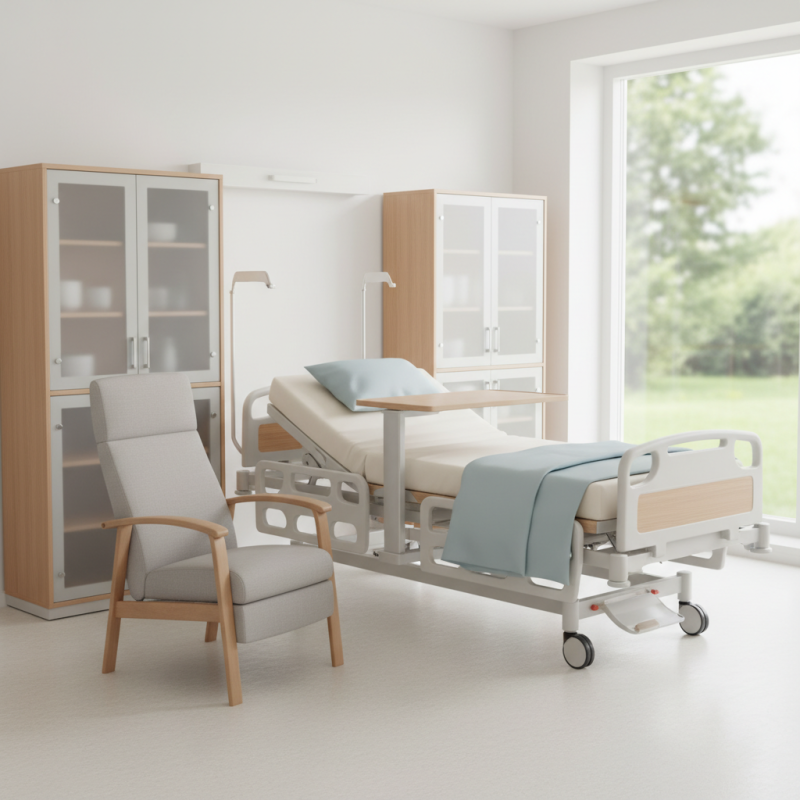
How to Choose the Best Hospital Furniture for Sale?
Choosing the right hospital furniture for sale can significantly impact patient care and comfort. The market offers various options, each designed to meet distinct needs. It’s crucial to consider functionality, durability, and design.
When browsing for hospital furniture for sale, focus on quality materials. Look for furniture that withstands daily use. Think about how often you’ll need to clean or replace these items. A well-chosen bed can aid recovery. A chair, designed for comfort, can improve patient satisfaction.
However, navigating the vast selection can be overwhelming. It's easy to get lost in the details. Keeping your specific needs in mind is essential. Don’t hesitate to seek advice from other professionals. Reflect on your choices, and don’t rush the decision-making process. This is an investment in care.
Overview of Hospital Furniture Types and Their Functions
Choosing the right hospital furniture is crucial for patient care. There are various types of hospital furniture, each serving distinct functions. For instance, hospital beds are designed to support patient recovery and comfort. A report by the Global Healthcare Furniture Market indicates that the demand for adjustable beds is rising. These beds enhance patient mobility and facilitate easier medical procedures.
Other essential types include and chairs. Overbed tables provide a convenient surface for meals or medical care. The utilization of ergonomic chairs can reduce strain for both patients and staff. According to a recent survey, proper seating in hospital settings improves staff efficiency by nearly 30%. However, many hospitals still overlook the importance of comfortable chairs and tables.
Storage solutions also play a vital role. Medical carts must be easily accessible and mobile. Research shows that streamlined furniture layouts can decrease clutter and enhance workflows. However, it's common to find outdated or impractical designs still in use. Inconsistent quality in hospital furniture often leads to frustration for both patients and healthcare providers. It's vital to evaluate options critically and consider both functionality and patient comfort.
Factors to Consider When Selecting Hospital Furniture
Selecting hospital furniture requires careful thought. Comfort, durability, and functionality are key factors. Consider the specific needs of patients and staff. Ergonomic designs enhance comfort during long hours. Chairs and beds should support various body types.
Materials matter too. Furniture must withstand daily use. Easy-to-clean surfaces help maintain hygiene. Moreover, look for furniture that matches the hospital’s aesthetic. However, balancing cost and quality is challenging. Cheaper options may compromise durability.
Space is crucial when choosing furniture. Assess the layout carefully. Furniture needs to fit without crowding. Check for storage solutions, as space is often limited. Sometimes, available options might not suit specific needs perfectly. Regular evaluation of the furniture’s performance is essential. This reflection leads to better future choices.
How to Choose the Best Hospital Furniture for Sale? - Factors to Consider When Selecting Hospital Furniture
| Furniture Type | Material | Ergonomics | Durability | Cost | Aesthetics |
| Hospital Bed | Steel and Plastic | High | High | $$$ | Neutral Colors |
| Examination Table | Vinyl and Steel | Medium | Medium | $$ | Clean and Professional |
| Patient Chair | Fabric and Steel | High | High | $$ | Soft Colors |
| Overbed Table | Laminate and Steel | Medium | High | $ | Functionality Focused |
| Wardrobe | Wood | Low | Medium | $$$ | Warm Tones |
Material and Durability: Key Aspects of Hospital Furniture
When selecting hospital furniture, material and durability play crucial roles. Furniture must endure constant use. It should withstand various conditions, including spills and heavy loads. Common materials include metal, plastic, and wood. Each has its advantages and drawbacks. Metal is sturdy but can be cold. Wood provides warmth, but may not hold up as well in wet environments.
Choosing the right material can impact a hospital's ambiance. Bright colors can make spaces feel welcoming. However, darker materials might hide stains better. Some surfaces are easier to clean than others. Reflexively, one might opt for options that look good but are hard to maintain. It’s essential to balance aesthetics with practicality.
Durability is more than just the material. The construction method matters too. Well-built furniture might cost more but may save money in the long run. Cheaper items could break or require replacement sooner. Reflection is vital here. While initial costs matter, the overall investment includes maintenance and longevity. Consider how often you’ll need to replace items.
Budgeting for Hospital Furniture: Cost vs. Quality
When budgeting for hospital furniture, balancing cost and quality is crucial. Healthcare facilities operate within strict budgets. However, investing in quality furniture can enhance patient care and staff efficiency. Data from industry reports indicates that high-quality hospital beds improve patient outcomes significantly. For example, comfortable beds increase patient satisfaction scores by 25%.
Cost considerations can be challenging. Low-priced furniture may save money initially but could lead to higher maintenance costs. A study found that maintenance issues arise in over 40% of cheaper hospital furniture within two years of purchase. This can disrupt hospital operations and add unforeseen expenses.
On the other hand, quality furniture is built to last. Durable materials can reduce replacement rates, offering a better return on investment. However, not all expensive options guarantee the best quality. Research shows that some high-priced items underperform compared to mid-range alternatives. Prospective buyers should evaluate not only the price but also the longevity and performance of the pieces. The best choice balances immediate costs with long-term benefits.
Ergonomics and Patient Comfort in Hospital Furniture Design
Creating a comfortable environment in hospitals is vital. Patient comfort greatly influences recovery. Ergonomics plays a crucial role in hospital furniture design. According to a report by the American Institute of Architects, well-designed furniture can reduce patient anxiety and improve overall satisfaction by up to 30%. This highlights the importance of proper chair and bed design.
The ideal hospital bed supports various positions, promoting circulation and easing pressure points. A report from the Centers for Disease Control and Prevention indicated that improper furniture design can lead to increased medical complications. For instance, patients suffering from bedsores often encounter prolonged recovery times. Choosing adjustable furniture can enhance comfort and accessibility. Moreover, many studies show that investing in ergonomic furniture leads to better staff efficiency. This design choice benefits both patients and healthcare providers.
Details matter significantly when selecting hospital furniture. Armrests should be at proper heights, making it easier for patients to sit and stand. Sufficient padding is essential too; hard surfaces can cause discomfort. Also, furniture should encourage movement but be stable enough to prevent falls. Careful attention to these aspects can enhance patient experiences and health outcomes. Striking a balance between aesthetics and functionality is an ongoing challenge.
Patient Comfort vs. Ergonomics in Hospital Furniture Design