How to Choose the Best Picosecond Laser for Your Needs?
Choosing the right picosecond laser is crucial for various applications, from tattoo removal to skin rejuvenation. According to a report by Market Research Future, the picosecond laser market is projected to reach $700 million by 2026, growing at a CAGR of 8.5%. This rapid growth highlights the importance of selecting a laser that meets specific needs.
Dr. Alexei Ivanov, a renowned expert in the field of laser technology, states, “Not all picosecond lasers are created equal; understanding your requirements is key.” Different picosecond lasers offer varying wavelengths, pulse durations, and energy outputs. These features can significantly impact treatment outcomes. For instance, certain lasers may work better for pigmentation removal, while others excel in scar treatment.
When considering options, it's essential to evaluate the latest advancements in picosecond technology. Many products come with impressive specifications, yet they may not deliver the expected results without proper context and data. Ensuring compatibility with your treatment protocols is critical. The choice of a picosecond laser should be based on informed insights, ensuring the selected device aligns with patient expectations and clinical objectives.
Understanding Picosecond Lasers: A Comprehensive Overview
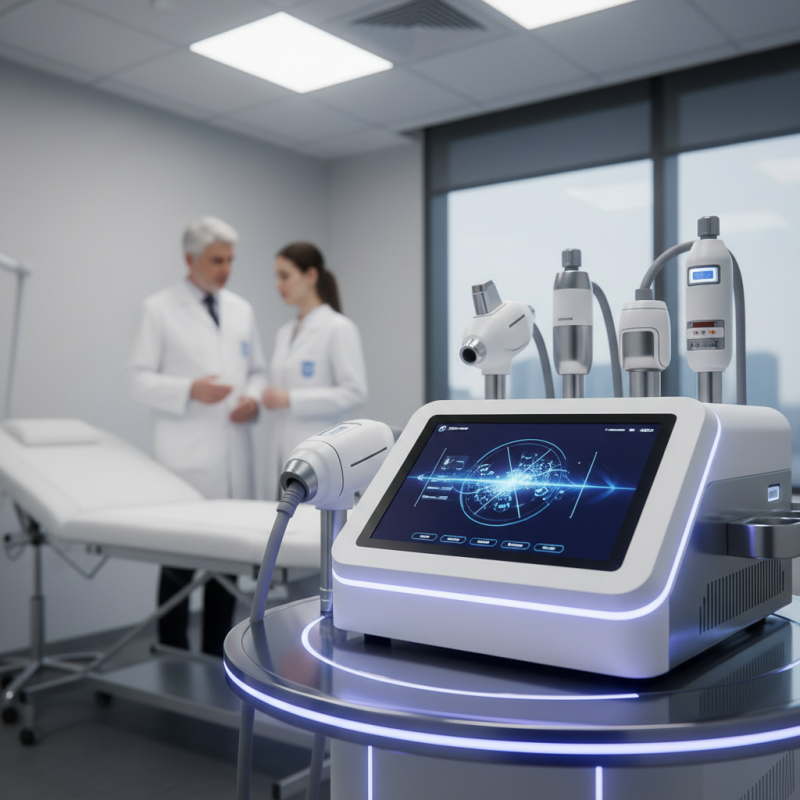
Picosecond lasers have transformed the field of aesthetic and medical dermatology. Their ability to deliver ultra-short pulses of energy enables targeted treatment of skin issues. This precision minimizes damage to surrounding tissues and significantly reduces recovery time. Users often report a marked improvement in skin texture and tone after procedures, making picosecond lasers highly sought after.
Understanding how picosecond lasers work is crucial. These devices utilize rapid bursts of light that can disrupt ink particles in tattoos or break down pigmentation in the skin. This process requires expertise and skill. Not all practitioners are equally trained. It’s vital to research their qualifications and experience. The safety of these procedures often hinges on the operator's knowledge of the specific skin type and condition being treated.
While the benefits are clear, the choice of device can be daunting. Different technologies promote varying outcomes. Some practitioners may not have updated training on advancements in laser technology. Ensuring that the chosen picosecond laser fits your needs involves asking detailed questions about its capabilities. Consider your skin type and treatment goals. Engaging in thoughtful discussions with professionals can lead to better decisions and satisfaction with the results.
Key Features to Consider When Selecting a Picosecond Laser
When selecting a picosecond laser, look for key features that align with your goals. One critical aspect is the laser's wavelength. Different wavelengths target various skin conditions. A shorter wavelength can be more effective for pigmentation issues, while longer wavelengths may be better for vascular lesions. Understanding these differences ensures the device fits your specific treatment needs.
Another essential factor is pulse duration. Picosecond lasers deliver ultra-short pulses, which minimize heat damage to surrounding tissues. This characteristic allows for better patient recovery and fewer side effects. However, balancing speed and effectiveness can be tricky. A machine that works too quickly may not effectively treat deeper imperfections. Evaluate the options available and consider your treatment protocols.
Interchangeable handpieces are a practical feature to consider. They provide versatility for different skin types and conditions. More choices allow practitioners to customize treatments based on individual patient needs. But, it's crucial to evaluate if these handpieces are easy to switch and maintain. Also, ensure that the device supports ongoing education for users. Proper training can significantly impact treatment outcomes and patient safety, making this an integral part of your decision-making process.
Evaluating Your Specific Skin Concerns and Treatment Goals
When evaluating your specific skin concerns, it's essential to identify the key issues you want to address. For instance, if you suffer from hyperpigmentation, studies show that about 90% of patients report improvement with appropriate laser treatments. Additionally, if you are seeking solutions for texture and fine lines, a picosecond laser can provide significant benefits. These lasers work by delivering ultra-short pulses to stimulate collagen production. This might not work for everyone, so consider a detailed consultation with a skincare professional.
Treatment goals should align with your skin type and lifestyle. The diversity of picosecond lasers means you can target various concerns. According to a survey from the American Society for Dermatologic Surgery, 68% of patients prioritize safety in treatments. Side effects, although often minimal, can include temporary redness or swelling, which users may underestimate. Understanding the nuances of these treatments helps manage expectations and ensures safety.
Data suggests that personalized treatment plans yield the best results. Having realistic goals can make a difference. The process often includes trial and error. Not every picosecond laser is suitable for every skin type. Some may need multiple sessions to see results, while others may find that an adjustment in technique is necessary. Hence, an open dialogue with a qualified professional can provide insights tailored to your needs.
Comparing Different Picosecond Laser Brands and Models
When selecting a picosecond laser, it's essential to compare different brands and models carefully. Each device boasts unique features tailored for specific needs. Some lasers excel in tattoo removal, while others are designed for skin rejuvenation. It's crucial to evaluate the energy output, pulse duration, and wavelength capabilities.
Consider your specific requirements. Do you need a versatile machine for multiple treatments or a specialized one for targeted solutions? Look for feedback from professionals who have used these lasers. Their experience can provide valuable insights into performance and reliability. Also, analyze customer reviews to gauge satisfaction levels.
Evaluating your laser options can be overwhelming. Be aware that not all machines will suit every practice or individual. Examine various models critically. Identify your priorities, whether they are effectiveness, safety, or cost. Trial and error may be part of the process, and it may take time to find the perfect fit for your needs.
Consulting with Professionals: The Importance of Expert Advice
Choosing the right picosecond laser is critical. Consulting with professionals offers valuable insights. Expert guidance can considerably influence your decision-making process. According to a 2022 report by the American Society for Laser Medicine and Surgery, nearly 35% of users experienced complications due to inadequate consultation. These statistics emphasize the importance of professional advice.
Professionals provide essential knowledge about differing wavelengths and energy outputs. They can assess your specific skin concerns and treatment goals. Tailoring your choice based on expert feedback may improve treatment outcomes. Research indicates that patients who consulted professionals often achieved 20% better results in pigment removal and skin rejuvenation than those who did not.
Selecting a picosecond laser requires consideration of safety and efficacy. Without expert consultation, you might overlook critical details. This could lead to subpar results or unnecessary side effects. Recognizing these nuances is part of the journey. Professionals guide you through potential challenges, ensuring a clearer path to your desired outcomes.