Our Company


What Is the Best Shilajit Extract in 2026?

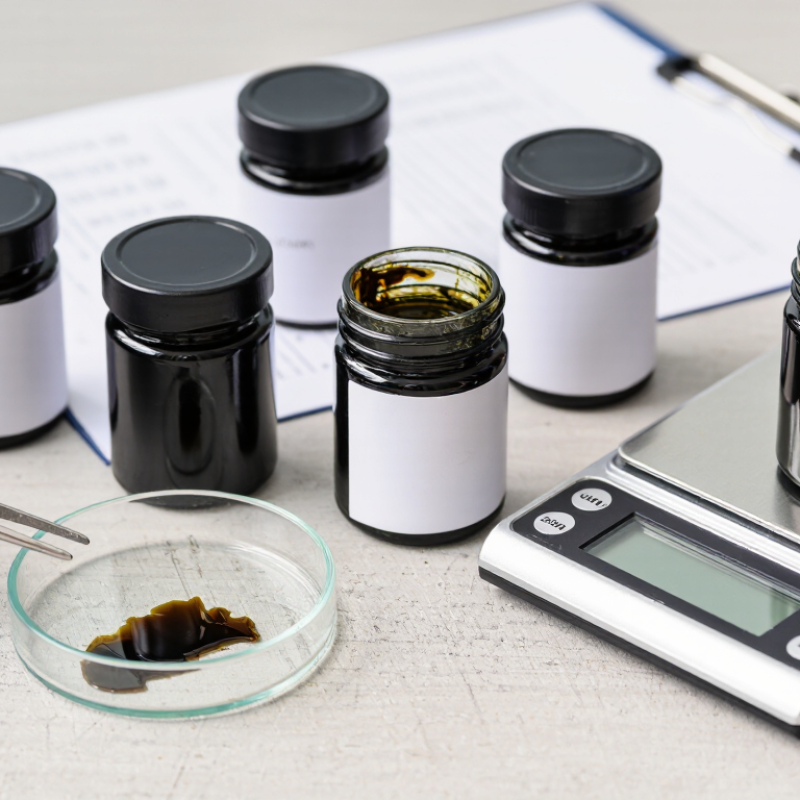
Choosing the best Shilajit Extract in 2026 takes more than comparing labels. Shilajit is a mineral-rich substance whose composition can vary by source and processing. A dark resin in a glass jar may look convincing. Appearance alone proves little. The useful questions are practical: Is the extract purified? Does the company identify its source? Can it provide current, batch-specific testing for contaminants and composition?

Pharmacognosy researcher S. R. Ghosal’s published work highlights shilajit’s complex chemistry, a reminder that broad product claims deserve careful checking. That is not a guarantee of benefit. Nor does a high fulvic-acid figure, by itself, establish quality or effectiveness. The evidence for many popular wellness claims remains limited, and individual products may differ substantially. A confident label can still leave important details unanswered.

This guide compares Shilajit Extract products using transparent criteria: sourcing, manufacturing information, independent testing, ingredient clarity, and value. It also separates what a certificate can verify from what it cannot. Small details matter. Look for a named testing laboratory, a recent report tied to the product batch, and clear results rather than vague “tested” language. No single checklist makes a supplement perfect. Even a careful comparison has limits, and that uncertainty deserves a place in the decision.
What Is the Best Shilajit Extract in 2026?

What Is Shilajit Extract and How Is It Made?

Shilajit is a dark, sticky material found in some high mountain rock formations. It develops over long periods as plant matter and minerals break down, though its exact composition varies by location. In warm weather, it may soften and seep from cracks in the stone. It is not a single, uniform compound.

Making an extract usually begins with collecting raw material and dissolving it in water. The liquid is filtered to remove grit and other insoluble matter, then concentrated by removing some of the water. Some producers use additional purification steps. Details vary. Heat and processing can affect the final extract, so a label alone cannot reveal every detail of its production.

A careful manufacturer should test finished batches for identity, microbial contamination, and potentially harmful metals. Testing methods and reporting quality matter; a certificate is useful only when it clearly identifies the batch and the tests performed. Even then, testing cannot make a naturally variable substance perfectly consistent. That part is easy to overlook. Shilajit research is still developing, and traditional use does not establish that every extract is safe or effective for every person.
What Is Shilajit Extract and How Is It Made?

Shilajit is a naturally occurring mineral-rich substance collected from rock crevices. A common processing sequence is dissolving it in water, filtering out insoluble material, concentrating the solution, and drying it into an extract. Methods vary, so the sequence shown is not a universal standard or a measure of product quality.

Which Quality Standards Matter When Evaluating Shilajit?

When evaluating shilajit extract, start with identity and traceability, not dramatic claims on the label. The product should name the tested material and provide a lot number that matches its certificate of analysis. A generic “purity tested” statement is not enough. Look for results from an independent laboratory, ideally one accredited to ISO/IEC 17025 for the relevant tests. Accreditation matters, but the lab’s scope matters too.

Check whether the report includes lead, arsenic, cadmium, and mercury, along with microbial testing. Results should show actual measurements and units, not only “pass.” Ask whether testing applies to the finished extract or just a raw ingredient. That distinction is easy to miss. A clear report should also describe identity testing and the methods used. If the seller cannot explain a result in plain language, pause.

Processing details deserve attention as well. Water-based purification, for example, should be described without implying that one method guarantees safety. “Natural” is not a quality standard. Nor is a dark, resin-like appearance proof of authenticity. I would want storage guidance, a sealed package, and a realistic serving size. Even then, testing cannot answer every question about an individual’s suitability. That part is less tidy.

How Do Shilajit Extracts Differ in Form and Composition?

What Is the Best Shilajit Extract in 2026?
How Do Shilajit Extracts Differ in Form and Composition?

Shilajit extracts come as resin, powder, and capsules. Resin is sticky and usually measured by weight; it needs careful handling and dissolves in warm water. Powder is easier to portion, while capsules offer convenience but hide the extract’s texture and taste. None is automatically better. The useful choice depends on how you prefer to take it and whether the product’s contents are clearly described.

Composition varies, too. Products may differ in fulvic compounds, minerals, and other naturally occurring substances. Processing and purification can change what remains in the finished extract. A label that lists only “shilajit” offers limited detail. Look for transparent ingredient information and independent testing for contaminants, such as heavy metals. Results can vary by batch, so a test report should match the product being sold. Evidence about benefits is still developing; composition claims alone do not prove an effect.

Tips: Compare serving sizes, not just package prices. Check whether testing covers the finished product, and ask for the report if it is not easy to find. Keep expectations measured. Labels can be confusing, and I would not treat a higher fulvic-compound number as proof of superior quality.

What Is the Best Shilajit Extract in 2026? — How Do Shilajit Extracts Differ in Form and Composition?

Form or comparison factor Typical characteristics Composition and serving considerations What to check when comparing
Purified resin A thick, sticky material that may soften in warm water. It usually requires measuring a small portion. Often presented as minimally processed, but resin texture alone does not establish purity or potency. Composition varies by source and processing. Look for a clearly stated serving size, purification information, ingredient list, and batch-specific testing for contaminants.
Powder A dry form that can be mixed into food or drinks; it may be a processed extract or powdered material. The word “powder” does not indicate extraction strength. Some products may include carriers or other ingredients, which affect the amount of shilajit per serving. Check whether the label identifies an extract, lists the extract ratio or standardization method, and specifies the amount of shilajit per serving.
Capsules or tablets Pre-measured and convenient; the capsule or tablet may contain resin, powder, or an extract, sometimes with additional ingredients. A listed milligram amount refers to the material in the serving, not necessarily to a verified active-compound level. Fillers and blends can change the formula. Review the full Supplement Facts panel, serving size, other ingredients, and whether the stated amount applies to shilajit alone or a blend.
Liquid or dissolved extract A pourable or drop-based preparation that may be easier to use for people who prefer not to handle resin or swallow capsules. Concentration and serving volume differ between products. Water, preservatives, or other ingredients may be included. Check the amount of shilajit per measured serving, the complete ingredient list, storage directions, and any stated concentration.
Fulvic and humic substances Naturally occurring organic substances commonly discussed in relation to shilajit composition. Their levels can vary with source and processing. “Fulvic acid” claims are not directly comparable unless the measurement method and basis are clear. Prefer transparent, method-specific testing over a percentage claim without details. A higher stated percentage alone does not establish overall quality.
Minerals and trace elements Shilajit can contain a mixture of minerals and trace elements, with amounts that depend on the raw material and processing. The presence of minerals does not mean the product provides meaningful or consistent amounts of specific nutrients. Contaminants can also be a concern if material is not properly purified and tested. Seek a recent, batch-specific certificate of analysis that includes relevant heavy-metal testing, such as lead, arsenic, cadmium, and mercury.
Dibenzo-α-pyrones and related compounds These are among the compounds reported in shilajit research and may be included in analytical profiles. They are not consistently listed or standardized across consumer products, so their presence should not be assumed from the product form. If quantified, check that the testing method and amount per serving are disclosed and that the result is tied to the specific batch.
Purity, testing, and evidence These factors are more useful for judging a product than resin, powder, capsule, or liquid form alone. Research on shilajit is limited, and study findings do not prove that every product has the same composition or effects. Prioritize traceable batch testing, clear labeling, contaminant screening, and realistic claims. No form is universally “best” for everyone.

Note: Shilajit composition varies by source and processing. This table is for general product comparison, not medical advice; consult a qualified healthcare professional before use, especially during pregnancy, while breastfeeding, or when taking medication.

What Safety and Testing Factors Should Buyers Consider?

When comparing shilajit extracts, look beyond color, texture, or claims about purity. A dark, sticky resin can still contain unwanted contaminants. Ask whether each batch has a certificate of analysis from an independent laboratory. It should identify the tested material and report results for lead, arsenic, mercury, and cadmium, along with microbial and other relevant contaminant checks. Check that the report matches the lot number on the package. A generic document is less useful. Details matter.

The extraction method and ingredient identity should also be clear, but neither guarantees safety. Testing has limits, and a certificate does not prove that a supplement works. Shilajit research is still developing, so be cautious of promises to treat illness or deliver dramatic results. Small steps help. Start by checking the serving size and full ingredient list, then discuss use with a qualified health professional, especially if you take medication or have a chronic condition. People who are pregnant or breastfeeding should seek professional guidance before using it. I would not rely on taste or online testimonials; they cannot reveal contaminants. Even careful research leaves some uncertainty, which is worth admitting.

How Can You Choose the Best Shilajit Extract in 2026?

Choosing a shilajit extract in 2026 starts with testing, not the largest fulvic-acid number. Look for a recent, lot-specific certificate of analysis from an independent laboratory. It should report results for lead, arsenic, cadmium, and mercury, along with microbial testing. Check that the certificate matches the product’s batch number. A generic certificate proves little.

In a 2008 JAMA study, Saper and colleagues found detectable lead, mercury, or arsenic in 20.7% of 193 Ayurvedic products purchased online. The study did not test shilajit alone, but it shows why independent testing matters.

Also check whether the extract’s source and processing are clearly disclosed. There is no universally accepted potency benchmark, and fulvic-acid figures alone cannot establish quality or effectiveness. Be cautious of dramatic health promises. Clinical evidence for shilajit remains limited, and a clean lab report does not prove a product is right for everyone. If you take medication or have a health condition, ask a qualified clinician. Labels can reassure; they can also leave questions unanswered.