Best Coffee Filter Paper Tips for Quality Brewing?
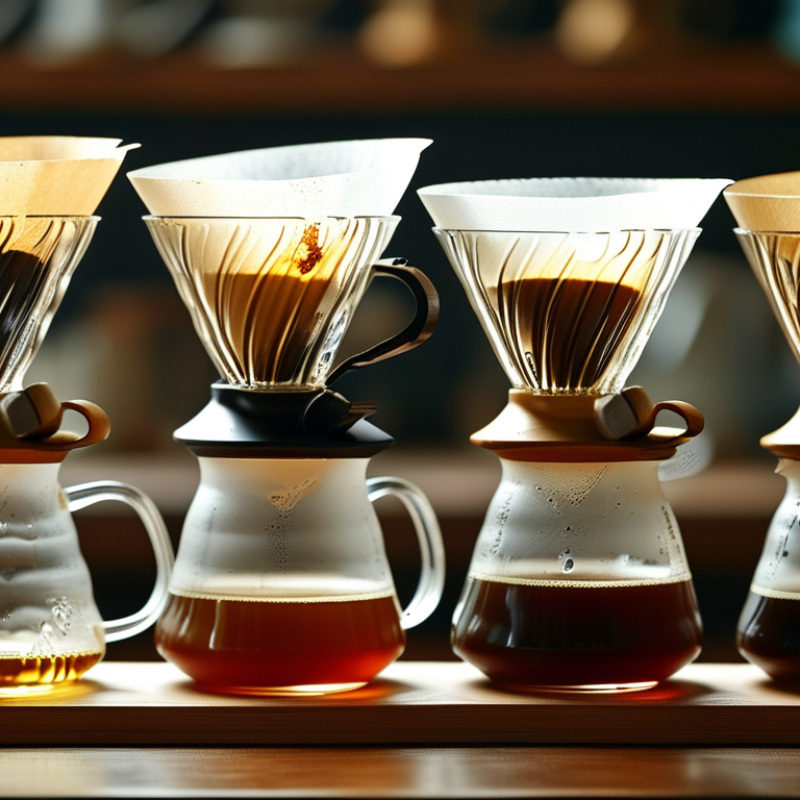
Brewing coffee is an art. The choice of Coffee Filter Paper plays a significant role in this process. The right filter can enhance flavor and aroma, while a poor one can spoil the experience. Quality coffee filter paper ensures that oils and micro-particles are effectively captured, allowing for a clean cup.
Many coffee enthusiasts overlook this essential component. Some filters can impart unwanted flavors. Others might not fit well with different brewing methods. Understanding the characteristics of various types of coffee filter paper is crucial for achieving the best results.
Selecting the right filter paper involves considering materials, thickness, and compatibility with your brewing equipment. Experimenting with different options can lead to surprising discoveries. The quality of your coffee can improve significantly, but it requires careful thought. Don't hesitate to refine your choices to perfect your daily brew.
Understanding the Role of Coffee Filter Paper in Brewing Quality
Choosing the right coffee filter paper is crucial for brewing quality coffee. The material, thickness, and color can significantly impact flavor extraction. For instance, unbleached filter paper tends to retain more oils and produces a richer taste. In contrast, bleached filters can lead to a cleaner, lighter brew. Understanding these differences helps in selecting a filter that complements your coffee beans.
Quality brewing isn't just about the coffee type; it's also about the filter. A poorly designed filter can introduce paper tastes or allow fine coffee grounds to seep through. Over time, different filter brands may affect your perception of what “good” coffee is. Many enthusiasts recommend experimenting with various filters to find the one that fosters your preferred taste profile.
Coffee filter paper plays a silent yet significant role in the brewing process. Some home brewers overlook this aspect and focus solely on the coffee. However, using an inappropriate filter can result in disappointing brews. Take time to reflect on your current brewing experience. Experiment with filter types to discover what enhances your coffee enjoyment.
Types of Coffee Filter Papers: Materials and Their Impact on Taste
Choosing the right coffee filter paper can significantly impact the flavor of your brew. There are three main types: paper, metal, and cloth. Each material has unique characteristics that influence taste. Studies indicate that paper filters can absorb oils, leading to a cleaner cup. This can be beneficial if you prefer a light and crisp flavor profile. However, it may strip some body from the coffee.
Metal filters offer a different experience. They allow more oils to pass through, creating a richer, fuller taste. According to industry reports, coffee brewed with metal filters tends to have a heavier mouthfeel. This could be ideal for those who enjoy bold flavors. Yet, some might find this less desirable, leading to a bitter aftertaste.
Cloth filters present a middle ground. They strike a balance between paper and metal, allowing some oils while still providing a cleaner finish. A survey by coffee enthusiasts showed that many appreciated this balance. It's important to consider personal preference and the specific characteristics of your coffee beans. Each choice has its own merits and drawbacks that deserve attention when brewing your perfect cup.
Optimal Coffee-to-Water Ratios for Different Filter Types
Choosing the right coffee filter type can significantly impact your brew. Different filters require specific coffee-to-water ratios to achieve the best flavor. For instance, if you're using a paper filter, a common ratio is one to two tablespoons of coffee for every six ounces of water. This balance allows the coffee to extract flavor effectively without being too weak or overly bitter.
Metal filters require a different approach. They often allow more oils to pass through, resulting in a richer taste. A good starting point here would be two tablespoons of coffee per six ounces of water. Adjusting the amount slightly may enhance the experience. Experimenting with water temperature can also elevate the brew, leading to a more vibrant cup.
But achieving the perfect ratio isn't always straightforward. Some may find that their preferences change based on the roast or grind size. It often requires a bit of trial and error. Continuous reflection on flavor outcomes can help improve the brewing process. Remember, coffee brewing is an art, and a little deviation from the norm could lead to a surprising delight.
Optimal Coffee-to-Water Ratios for Different Filter Types
Brewing Techniques: How Filter Paper Influences Extraction Efficiency
When brewing coffee, the choice of filter paper can significantly affect extraction efficiency. Different types of paper alter the flow rate of water and the retention of coffee oils. Thicker papers tend to absorb more oils, which may result in a cleaner cup, while thinner filters allow oils to pass through, enhancing flavor complexity.
Pay attention to the filter’s compatibility with your brewing method. For example, flat-bottom filters work well with drip machines, while cone-shaped filters suit pour-over methods. Experimenting with different filter types might reveal surprising flavors in your coffee.
Consider the grind size as well. A finer grind paired with a thick filter can make extraction slow. Conversely, a coarser grind with thinner filters can lead to over-extraction, yielding bitterness. Evaluate your results and adjust accordingly for balanced flavors. A small tweak can make a big difference in your brew.
Best Coffee Filter Paper Tips for Quality Brewing
| Filter Type | Material | Grind Size | Brewing Time | Extraction Efficiency |
| Paper Filter | Wood Pulp | Medium | 4-5 min | 85% |
| Metal Filter | Stainless Steel | Coarse | 5-6 min | 78% |
| Cloth Filter | Cotton | Fine | 4-5 min | 82% |
| Biodegradable Filter | Plant-Based | Medium | 4-5 min | 80% |
Environmental Considerations: Biodegradable Options for Coffee Filters
When brewing coffee, choosing the right filter can enhance your experience. Biodegradable coffee filters are an excellent choice for eco-conscious brewers. They offer a sustainable option compared to traditional paper filters. Made from materials like unbleached paper or natural fibers, these filters break down naturally. This means they won’t linger in landfills for years.
Using biodegradable filters can feel better in your daily routine. They provide the same functionality but with less environmental impact. However, they might not perform exactly like conventional filters. Some users report differences in taste or clarity. Adjusting brew time or grind size can help offset these changes.
Many people overlook the carbon footprint of their coffee choices. Every filter contributes to waste. By choosing biodegradable options, you advocate for a healthier planet. It's a small shift, yet it can lead to significant positive outcomes over time. Reflect on your coffee habits. Are you making choices that align with your values?