2026 Best Jack Hammer for Global Buyers?
Choosing the 2026 Best Jack Hammer for Global Buyers requires more than comparing impact energy or online prices. Construction sites differ widely. A road contractor in Canada may need a heavy pneumatic model, while a renovation team in Singapore may prefer a compact electric unit. Concrete density, operating hours, voltage, air supply, and service access all change the buying decision.
Recent industry reports support this broader view. Grand View Research identifies construction equipment demand as closely connected with infrastructure investment, urban development, and replacement cycles. Fortune Business Insights also highlights rising demand for compact and electric construction equipment, especially where emissions and workplace noise receive greater attention. These trends make the Jack Hammer a practical tool category, not merely a specification contest. Small details matter. A 25-kilogram hammer can fatigue an operator quickly. A poorly balanced handle may become painful before the shift ends.
Safety data deserves equal weight. The European Agency for Safety and Health at Work warns that prolonged hand-arm vibration can create serious occupational risks. ISO 5349 provides guidance for measuring and evaluating this exposure. Buyers should therefore examine vibration values, trigger design, anti-vibration handles, and declared test conditions. Manufacturers should provide clear technical documentation. Vague claims are not enough.
There is no universal winner. That is the difficult part. A model with maximum impact may perform poorly in confined spaces. A cheaper hammer may cost more after repeated seal failures or unavailable spare parts. This guide compares power, durability, ergonomics, energy use, maintenance, warranty support, and regional compatibility. The evaluation remains imperfect, because real jobsite performance depends on operator skill and material conditions. Still, transparent evidence can help global buyers make a more defensible 2026 decision.
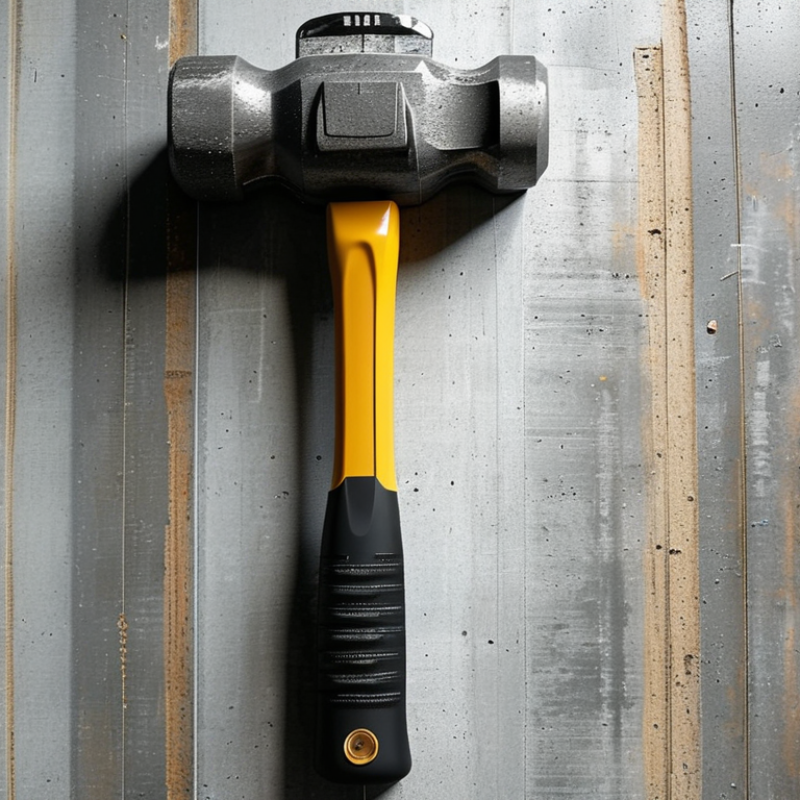
What Is a Jack Hammer and How Does It Work?
2026 Best Jack Hammer for Global Buyers?
What Is a Jack Hammer and How Does It Work?
A jack hammer is a powered demolition tool that breaks concrete, asphalt, stone, and compacted ground. It uses repeated impacts rather than continuous cutting. Inside the housing, a piston moves rapidly against a tool shank. This transfers force to a pointed, chisel, or flat bit.
Different models use different power sources. Pneumatic jack hammers run on compressed air from a suitable compressor. Electric models use a motor and are often practical for indoor renovation. Hydraulic versions connect to excavators or other machines for heavier work. Each impact creates vibration, noise, and dust, so operators need hearing, eye, hand, and respiratory protection.
Bit shape matters.
A pointed bit helps penetrate hard concrete. A chisel bit creates narrow channels or removes edges. The correct operating pressure also matters. Excessive force can reduce impact efficiency and increase fatigue. Insufficient pressure may cause bouncing and uneven wear. On construction sites, checking the chuck, hose, cable, and lubrication before use is a small step with major value.
Global buyers should compare impact energy, operating weight, available power, spare parts, and service support. Local voltage and air-compressor standards can affect real performance. Product figures may look impressive, but ground conditions often tell a different story. A lighter tool may improve control, while a heavier one may deliver faster breaking. Neither choice is perfect for every project.
Which Jack Hammer Types Suit Different Global Applications?
Pneumatic jack hammers suit demanding roadwork, concrete removal, and quarry tasks. They use compressed air from a separate compressor. This design handles long shifts and harsh jobsite conditions well. However, the compressor adds transport weight, fuel use, and setup time. In remote regions, matching the compressor to local power access can be difficult. Choose this type when continuous impact power matters more than quick installation.
Electric jack hammers work well for indoor renovation, utility work, and moderate concrete breaking. They start quickly and produce no direct exhaust fumes at the work point. Corded models need stable electricity and careful cable protection. Battery models improve mobility, but runtime and charging access limit heavy-duty production. They are convenient. Do not confuse convenience with unlimited power. A field assessment should include material hardness, working hours, and available replacement batteries.
Hydraulic jack hammers are strong choices for excavators, skid steers, and large infrastructure projects. They deliver high impact energy through the host machine’s hydraulic system. This makes them effective on reinforced concrete, rock, and thick pavement. Their performance depends on correct flow, pressure, mounting, and tool selection. A mismatch can cause weak blows or premature wear. Petrol-powered units may help in isolated areas without electricity or compressors, though noise, vibration, and fuel handling require greater attention. I have found that buyers sometimes choose the largest model available. That decision can increase fatigue and damage fragile surfaces. The better choice is often the smallest tool that completes the work safely and consistently.
How to Compare Jack Hammer Power, Weight, and Performance?
2026 Best Jack Hammer for Global Buyers?
How to Compare Jack Hammer Power, Weight, and Performance?
Choosing a jack hammer starts with the material, not the largest power rating. Concrete, asphalt, and compacted stone need different impact levels. Check impact energy in joules and impact frequency in blows per minute. Higher joules break harder surfaces faster, but they can increase vibration and operator fatigue. A tool rated around 1,500 to 2,000 watts may suit regular concrete work, while lighter models can handle tile removal and small repairs.
Weight changes control. A 10-kilogram hammer may deliver strong force, but it becomes tiring during wall work. A 6-kilogram model is easier to guide, though it may require more passes. During practical testing, I watch how quickly the bit penetrates a marked section. Numbers can look impressive. The floor tells the truth.
Performance also depends on vibration control, chuck design, cooling, and service access. Look for adjustable handles, secure bit locking, and clear overload protection. For global buyers, confirm voltage, plug type, spare-bit availability, and operating instructions before ordering. A powerful machine with poor local support can become expensive downtime. I once focused too heavily on impact energy and underestimated vibration after two hours of use. That was a useful mistake. The best comparison includes productivity, handling, maintenance, and the operator’s actual working conditions.
What Safety, Maintenance, and Compliance Factors Matter Worldwide?
For global buyers, the best jack hammer is not simply the strongest model. Safety controls matter more on crowded sites, especially where training quality varies. The International Labour Organization reported nearly three million work-related deaths annually in 2023. It also recorded about 395 million non-fatal occupational injuries. These figures make operator protection a purchasing requirement, not a sales feature.
Check hand-arm vibration data before comparing impact energy. The European Union sets an exposure action value of 2.5 m/s² A(8) and a limit value of 5.0 m/s². Local rules may differ. Ask for test methods, noise measurements, electrical protection details, and conformity documents. ISO 45001 supports structured occupational safety management, while ISO 5349 helps assess hand-transmitted vibration. Maintenance should include daily bit inspection, hose checks, clean air supply, grounding verification, and planned lubrication. A damaged retainer can turn a small tool fault into a serious injury. Operators still sometimes ignore this.
Tips: Keep a visible inspection card beside each tool. Record vibration exposure by worker, not only by machine. Match plugs, voltage, guards, and documentation to the destination country. Use hearing and eye protection, and stop work when abnormal heat, noise, or leakage appears. The ILO data is disturbing. Paper compliance alone is not enough. A practical trial on the actual surface can reveal weaknesses that laboratory figures miss.